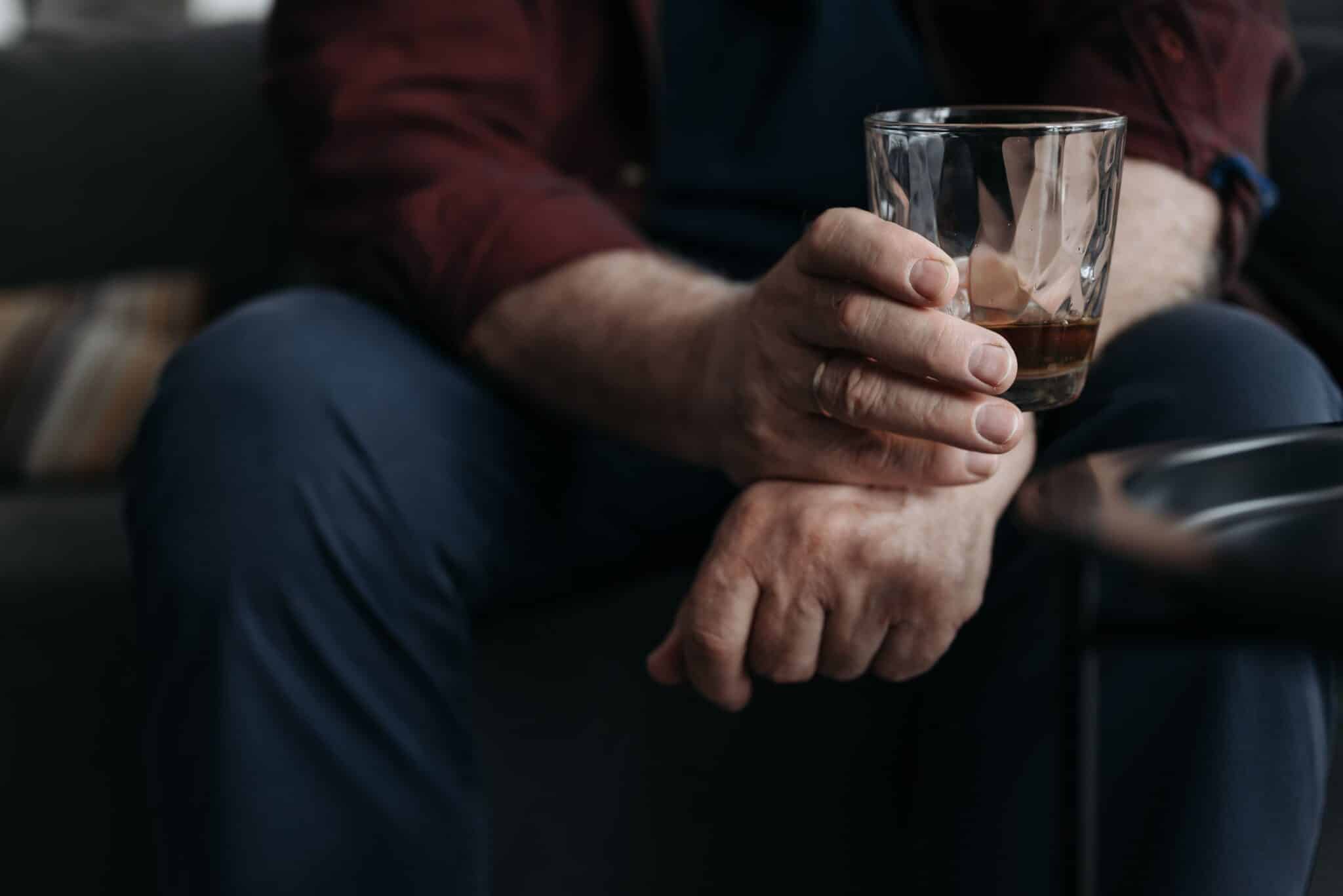
It may not come as a massive shock, particularly if you’ve landed here because you suspect you have an addiction/and or mental health issue, that it is not only possible, but incredibly common for addiction and mental health disorders to coexist.
At our rehab centre in South Africa, we are seeing more and more individuals seeking help and support for struggles that involve more than just substance use (which alone is challenging enough).
Many clients entering rehab for an addiction, more often than not, also grapple with underlying mental health issues like depression, anxiety, trauma, and bipolar disorder (to name just a few).
When addiction and mental health conditions occur together, there are a couple of clinical terms we use to help accurately diagnose clients who come to us with these issues, such as:
- Co-occurring disorders.
- Dual diagnosis disorders.
Both refer to the same set of challenges (which we will cover in a moment), and both require specialised, integrated care.
Understanding co-occurring disorders
With an abundance of online content swirling around the internet, it can be challenging to find a helpful description for dual diagnosis or co-occurring disorders.
But to break things down in the most valuable terms, both conditions refer to the same thing:
‘The presence of a substance use disorder and a mental health disorder within the same individual at the same time.’
These combinations can be diverse and look and feel different for each person, but typically, an individual with a co-occurring disorder may experience the following:
- Alcohol or drug addiction with depression.
- (Unresolved) trauma or PTSD with substance use.
- Anxiety disorders with prescription medication misuse.
- Personality disorders (like narcissistic personality disorder) alongside alcohol dependence.
- Bipolar disorder with stimulant or opioid addiction.
There’s been a long-held debate around ‘which disorder came first, the addiction or the mental health issue?’ It’s a good question, but one that’s almost impossible to answer, at least objectively.
Why?
Because both addiction and mental health disorders tend to influence each other, each one interacts with and inflames the other until it’s almost impossible to discern which one came along first.
However, if we stick to the research, years of exploration and empirical studies show us that, in most cases, mental health issues such as depression, anxiety, and trauma tend to drive addictive behaviours.
For instance, a person who lives with unresolved trauma due to childhood adversity is more likely to ‘self-medicate’ with substances like alcohol or drugs to cope with painful symptoms such as flashbacks, anxiety, and chronic shame.
Substances, although incredibly harmful in the long term, have a way of providing temporary relief, a brief hiatus from one’s emotional (and often physical) suffering, which the person may struggle to find elsewhere.
When addiction and mental health coexist

Addiction and mental health issues coexist for a variety of reasons, but let’s start with understanding the process behind numbing, distracting, and the desperate need to escape one’s own internal and external experience.
Which is often an attempt to avoid the inevitable, crushing pain of a difficult childhood, a sudden loss, a traumatic betrayal, or crippling burnout, the kind that leaves you incapacitated and unable to function in ways that often feel unsurvivable.
Self-medication
It is profoundly common for individuals to use substances like cocaine, cannabis, prescription meds, opioids, and methamphetamines to manage anxiety, numb emotional pain, or cope with the overwhelming impact of trauma.
This traces back to our earlier point around ‘short-term relief = long-term suffering.’
Many clients who come to our rehab centre in South Africa are often trapped in this awful cycle.
In an attempt to improve or alleviate painful symptoms, many people self-medicate or take too much of what has already been prescribed to them by a doctor.
Addiction is inherently an attempt to feel better or cope with something in whatever means one can achieve this.
Whether it’s to feel more confident in social settings, block out painful memories from the past, or to function throughout the day, there is never not a reason behind the need for self-medication.
Exposure to trauma

You may have heard the word trauma mentioned quite a few times throughout this article already; in fact, you may see the term bandied about a lot online.
Well, in the context of addiction, we can’t not include trauma as a considerable risk factor for substance use disorders and other forms of dependencies because it is indeed a considerable risk factor.
If we look at the statistics between the two disorders, it’s hard not to see the profound and very real connection:
- Around 50% of individuals with substance use disorders have experienced at least one trauma or adverse experience in their lifetime.
- Those with a history of trauma are up to twice as likely to develop a substance use disorder compared to people without such histories.
- Post-traumatic stress disorder co-occurs in around 46% of individuals with a substance use disorder.
- Early exposure to trauma increases risk for later addiction because it disrupts normal brain development in young children.
As if all that isn’t enough, trauma-related conditions are associated with changes in brain regions responsible for reward processing, such as the amygdala and prefrontal cortex.
This suggests that some individuals (mainly those with a history of trauma) are biologically more susceptible to developing addictions and substance use disorders than people without such exposure.
This is one of the reasons why addiction treatment centres in South Africa (ours included) incorporate trauma-informed care into substance use disorder programmes to help address the root cause of these issues in a way that is both safe and supportive.
Historically, traditional treatment models only focused on symptom management, leading to higher incidences of relapse as the root causes were not identified or treated.
Fortunately, many rehab centres in South Africa today offer trauma-informed therapy as part of an integrated treatment plan, offering comprehensive, effective care for those with co-occurring disorders like PTSD and addiction.
Social environment and pressure
Other factors that can lead to or worsen symptoms in those who already have a dual diagnosis or co-occurring disorder involve social and environmental factors like financial stress, unemployment, relationship conflict, and community stressors.
These factors are not to be sniffed at, as clients very often come to our inpatient treatment centre in South Africa because of an accumulation of stressors, both relational and environmental.
For instance, individuals experiencing executive burnout may outwardly appear not only functional but also exceptionally well-rounded.
These are often affluent people who show no obvious signs of addiction to substances or other compulsive behaviours.
On the surface, such clients seem highly functional: they excel in their careers, are attentive parents and partners, and maintain active social lives.
Yet beneath this carefully crafted appearance of perfection, many are privately struggling. Behind the façade, unresolved trauma, depression, and even addiction are often hidden – masked by relentless achievement and the pursuit of perfection.
Co-occurring disorders are rarely about just one thing.
Often, and particularly in individuals with a history of trauma, those with dual diagnosis experience a range of stressors and pressures that have led them to destructive coping patterns like substance use, gambling, porn, and food addiction, to name just a few.
Signs of co-occurring disorders

Recognising the signs of a co-occurring disorder in yourself or a loved one is key to getting the right help and support to effectively treat both conditions, which must be done at the same time.
If you suspect you or someone close to you may have a dual diagnosis or co-occurring disorder, here’s what you may notice:
- Profound mood shifts.
- Withdrawal from family and social connections.
- Increased anxiety or panic attacks.
- Constant feelings of emptiness or hopelessness.
- Difficulty managing or coping with stress.
- Relying more and more on substances to cope.
- Changes in appetite and/or sleep disturbances.
- Poor memory and concentration.
- Risky or unpredictable behaviour, such as driving while under the influence of alcohol or drugs and having unprotected sex.
- Relationship conflict due to substance use.
- Poor performance at school or at work.
Why dual diagnosis treatment matters


If any of the symptoms mentioned in this article resonate with you, then you may need to seriously consider professional treatment to help you get a better handle on the situation before things worsen.
We understand, more than anyone, how difficult reaching out for help for an addiction or mental health issue can be.
Still, the alternative to not seeking treatment only leads to more suffering for you and the people you care about.
That said, there are many treatment options for co-occurring disorders nowadays, all facilitated within a framework of deep compassion, trauma-informed care, and empathy for each individual’s unique circumstances and struggles.
At White River Manor, we provide comprehensive, dual diagnosis treatment in a calm, compassionate, supportive environment that enables individuals to reflect, heal, and recover, a truly tailored treatment experience that works.
Below are just some of the treatments and methods we use as part of our addiction treatment programme in South Africa:
- Medically supervised detox (if required) to help rid your body of substances and toxins, preparing you for the next stage of treatment.
- A comprehensive assessment and medication management (if needed).
- Evidence-based treatments such as CBT, DBT, and trauma-solution therapy to help you understand, unpack, and process past experiences of adversity, develop healthy coping mechanisms, and rebuild resilience.
- Group and peer support enable you to share your story and lived experience with others who can relate to what you’re going through, helping you feel more connected whilst remaining accountable for your choices and behaviours.
- Holistic care to help you reconnect with your body in a safe, supportive way. This may include yoga, meditation, breathwork, and nutrition support.
- Ongoing aftercare and planning to help you stay sober and well after you complete inpatient addiction treatment.
Integrated approaches to dual diagnosis treatment are absolutely essential.
They can ensure that individuals learn how to cope with stress in healthier ways, build structure and routine into their daily lives, and recognise their triggers and how to manage them once they return home.
This approach to healing sets the stage for a healthy, sustainable recovery that extends beyond inpatient treatment, allowing you to lead a healthy, joyous, substance-free life.
If you or someone you love is struggling with addiction and mental health challenges, you are not alone.
Our multidisciplinary team is experienced in treating various types of co-occurring disorders, and recovery begins by reaching out and taking that all-important first step, one that you don’t have to take alone.

Contact our professional team in South Africa today, who will gladly offer further help and support.
Remember, you are not alone. We are here to guide you one gentle step at a time through recovery and beyond.

About Gert Janse Van Rensburg
Gert Janse van Rensburg is a Clinical Psychologist and Equine Therapist at White River Manor. With over two decades of experience, Gert helps oversee most of the clients, bringing deep knowledge and a calming presence to addiction recovery.