
For many, life can feel like something that must be survived rather than embraced or enjoyed.
The days and weeks seem to blend together, energy dissipates, and even simple tasks can seem overwhelming and emotionally draining.
This state is often referred to as “survival mode” and is commonly fueled by unresolved trauma, chronic stress, or years of feeling burnt out without proper rest.
There are many different things people do to survive a difficult past – perhaps they use substances like alcohol to numb the pain and exhaustion.
Maybe they gamble or spend vast sums of money on clothes or other items.
Another common behavioural pattern we see at our treatment centre in South Africa is that of individuals who work extremely long hours to avoid painful emotions or to help them manage stress, which often leads to burnout if left unchecked.
With the right care and support, recovery from burnout is possible, and it all begins with understanding what your mind and body have been carrying for so long (perhaps without you even knowing it).
Beyond survival
Survival mode is when your nervous system’s inner bodyguard goes into a continuous state of protection, particularly when it senses potential danger in your immediate environment.
Sigmund Freud’s Iceberg Model, an analogy he used to describe the structure of the mind, helps explain trauma responses by showing how deep, unconscious beliefs and memories influence your reactions below the surface of awareness (underneath the water).
Unconscious material is often inaccessible to the conscious mind, so we are not always aware of how past experiences have affected us.
However, these responses can often be understood through certain behavioural patterns and the choices we make across various aspects of our lives.
For instance, when a person doesn’t feel good enough or deserving of love, they may (unconsciously) sabotage their relationships or their health by using drugs or treating their partner dismissively.
Another way trauma can show up is when someone uses avoidance to protect themselves from harm – perhaps they avoid getting into loving relationships or isolate themselves from the world, believing other people cannot be trusted.
These survival responses are incredibly common in trauma survivors, and it can take many years for individuals to understand the meaning of these behaviours and work toward unlearning them.
Hyper-alert and shutdown responses

When faced with ongoing stress or trauma, the body either stays hyper-alert (which is when you might feel more anxious than normal) or shuts down (this is when you may experience intense sadness, fatigue, numbness, and emotional exhaustion).
It is also possible for someone to experience hyperalertness and shutdown at the same time, which is often referred to as a spiky nervous system, where the person may feel incredibly anxious and depressed.
Common signs of this type of burnout include:
- Constant fatigue or burnout.
- Emotional numbness or overwhelming emotions.
- Difficulty concentrating or making clear decisions.
- Irritability or heightened anxiety.
- A sense of disconnection from yourself or others.
These patterns are often rooted in unresolved trauma or trauma-related conditions like PTSD, or they may develop slowly from prolonged stress.
Either way, your nervous system is working overtime to keep you safe and functioning.
Below is a comprehensive guide outlining how we help clients heal from trauma and overcome burnout at our treatment centre in South Africa:
Creating safety and stability
Before engaging in the deeper emotional work, your body must feel safe enough to do so. This often means:
- Creating consistent routines in your life.
- Being in calm, supportive environments with other regulated people.
- Clear therapeutic boundaries.
- Structure that becomes a core foundation for healing – not an added pressure for you to be performative.
Processing trauma at a manageable pace
At its core, trauma work focuses on exploring and integrating past experiences that may have caused distress to help reduce their impact.
Remember Freud’s Iceberg Model from earlier?
Well, this part of the therapeutic process begins by gradually working with the different layers of the brain to unpack stored emotions, experiences, and deeply held beliefs that may fuel unhealthy behaviours that lead to burnout.
Treatment is always paced and meets individuals where they are in the recovery journey rather than feeling rushed or pressured.
Evidence-based therapies
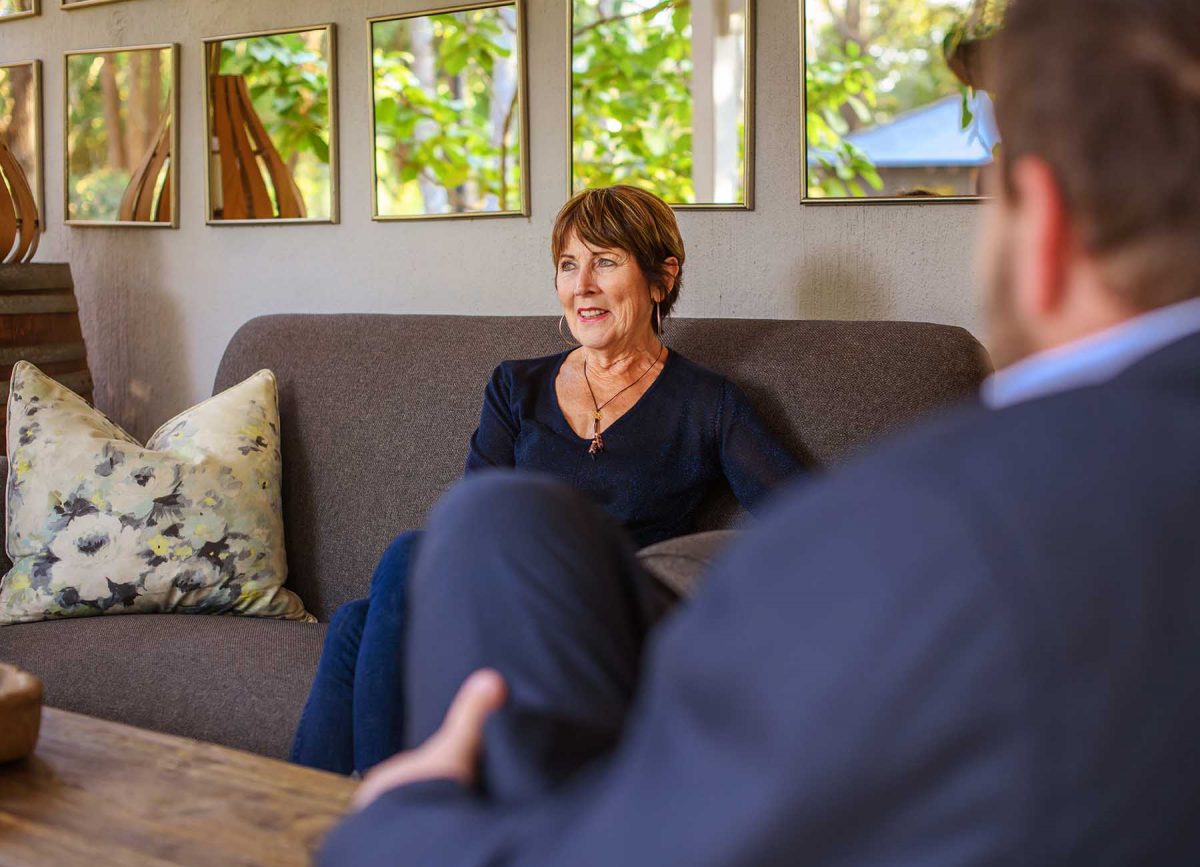
Evidence-based therapies such as EMDR, a trauma treatment that uses bilateral stimulation to help you explore and process your trauma, can help you to:
- Reprocess difficult memories in a safe and guided way.
- Reduce emotional reactivity through repeated experiences of safety.
- Foster a sense of control and understanding.
- Allow you to move beyond survival and develop the tools to cope with your past without becoming overwhelmed or avoidant.
Cognitive behavioural therapy (CBT) is a type of talk therapy that is often used to help treat trauma and burnout.
CBT helps you to talk about your feelings, process your emotions, and explore healthier alternatives to coping with stress instead of resorting to old patterns such as overworking or remaining switched on all the time to feel safe or worthy.
Restoring emotional regulation
Recovery at our centre also involves learning to regulate your emotional responses, which can help you to:
- Tolerate challenging or distressing emotions.
- Respond thoughtfully rather than react impulsively.
- Move away from constant overwhelm or shutdown.
- Engage in supportive self-care practices such as mindfulness, grounding techniques, and therapeutic support, which are essential tools we use here at our treatment centre in South Africa.
Rebuilding energy and preventing burnout
Recovering from burnout requires more than relaxation and rest. It also involves:
- Identifying unhealthy patterns and beliefs that may have led to exhaustion.
- Establishing healthy boundaries with loved ones and colleagues.
- Creating sustainable daily routines that help you feel balanced and structured.
- Building lasting resilience and engaging in healthy self-care practices – not just temporary relief.
The healing power of your environment
The environment in which you heal can make a significant difference to the outcome. You cannot heal in the same place that caused you to become unwell.
Our breathtaking South African landscape provides an inspiring and powerful backdrop for healing and recovery to unfold naturally.
Open spaces, fresh air, sunny climates, and a much slower pace of life help to regulate the nervous system and reduce overstimulation over time.
A peaceful, restorative setting like this allows you to:
- Take a break from familiar environments and daily triggers.
- Gain clarity and perspective.
- Rest and reflect on what has helped you in your struggles and what hasn’t.
- Reconnect with yourself and others in a meaningful way.
At White River Manor, we understand that beginning treatment is a significant step, and it can feel daunting to some.
Our team is available to discuss treatment options, costs, duration, and logistics to help you make an informed decision and start your healing journey with clarity and confidence.
Structure as a pathway to freedom
Structure is incredibly important in recovery – yet it is often misunderstood or even overlooked.
You may have noticed we’ve mentioned structure quite a few times in this article already, and for a good reason.
Because when somebody is overwhelmed, life can either feel extremely chaotic or deeply restrictive (sometimes both) – but in the right environment, structure softens the chaos and loosens what feels limiting or restricting.
A thoughtfully designed daily routine can look like:
- Reducing any fatigue around decision-making and feeling more assertive in your choices.
- Stability in all aspects of your life; emotionally, physically and relationally.
- Gradual progress, no rush or pressure to feel better quickly.
- Daily decisions that gradually help rebuild control and confidence.
Recognising when you need help and support



















It’s important for you to remember that you don’t need to hit rock bottom to seek support from a professional.
In fact, seeking treatment early can help you avoid further complications to your health and well-being, enabling you to achieve the best possible treatment outcome.
If you or someone you care about is experiencing any of the following, consider reaching out to a professional sooner rather than later:
- Persistent emotional overwhelm/and or exhaustion.
- Ongoing fatigue which is not made better by rest.
- Difficulty coping with daily pressures and expectations.
- Unresolved trauma affecting your present.
- A sense of merely “getting through each day.”
In high-pressure work environments, the temptation to keep going and stay productive can be incredibly challenging, forcing you to keep pushing through no matter how tired or burnt out you feel.
But what often happens in an already overwhelmed nervous system is that it becomes:
- More exhausted.
- More emotionally disconnected, as its main job is to survive rather than thrive.
- More difficult to recover as there are so many layers of stress and unhealthy coping patterns to explore and work through.
- More difficult to treat the underlying trauma, as burnout continues to worsen.
Trauma and burnout treatment in South Africa
Recovery from trauma and burnout isn’t something that happens overnight, and it’s certainly not linear.
However, with the right environment, support, and a willingness to begin, you can start feeling confident in your decision to seek treatment.
And once you make that decision, you can begin moving beyond survival and into a life that feels purposeful, calm, and emotionally fulfilling.
At White River Manor, we support clients struggling with trauma and burnout, helping to create safety and structure in their lives through personalised executive burnout programmes that help reduce distress and enable them to learn healthier alternatives to coping with life’s challenges.
Remember – there is a way forward that doesn’t involve merely surviving from one day to the next. And it begins with understanding what brought you here and what your individual path to recovery looks like.
Contact the team at White River Manor today for further information and support.
We are here and ready to help.

About Dr Magda Rall
Dr Magda Rall is a seasoned professional with over 25 years of experience in care, primarily within the private sector. Holding a PhD in multi-disciplinary studies (sociology and psychology) from the University of Calvary, she has spent the last four years focusing on rehabilitation, working closely with substance users and their families. A recipient of the prestigious Mariette Loots National Award and a passionate volunteer for CANSA, Magda brings a wealth of knowledge and empathy to her role as Head Therapist at White River Manor.