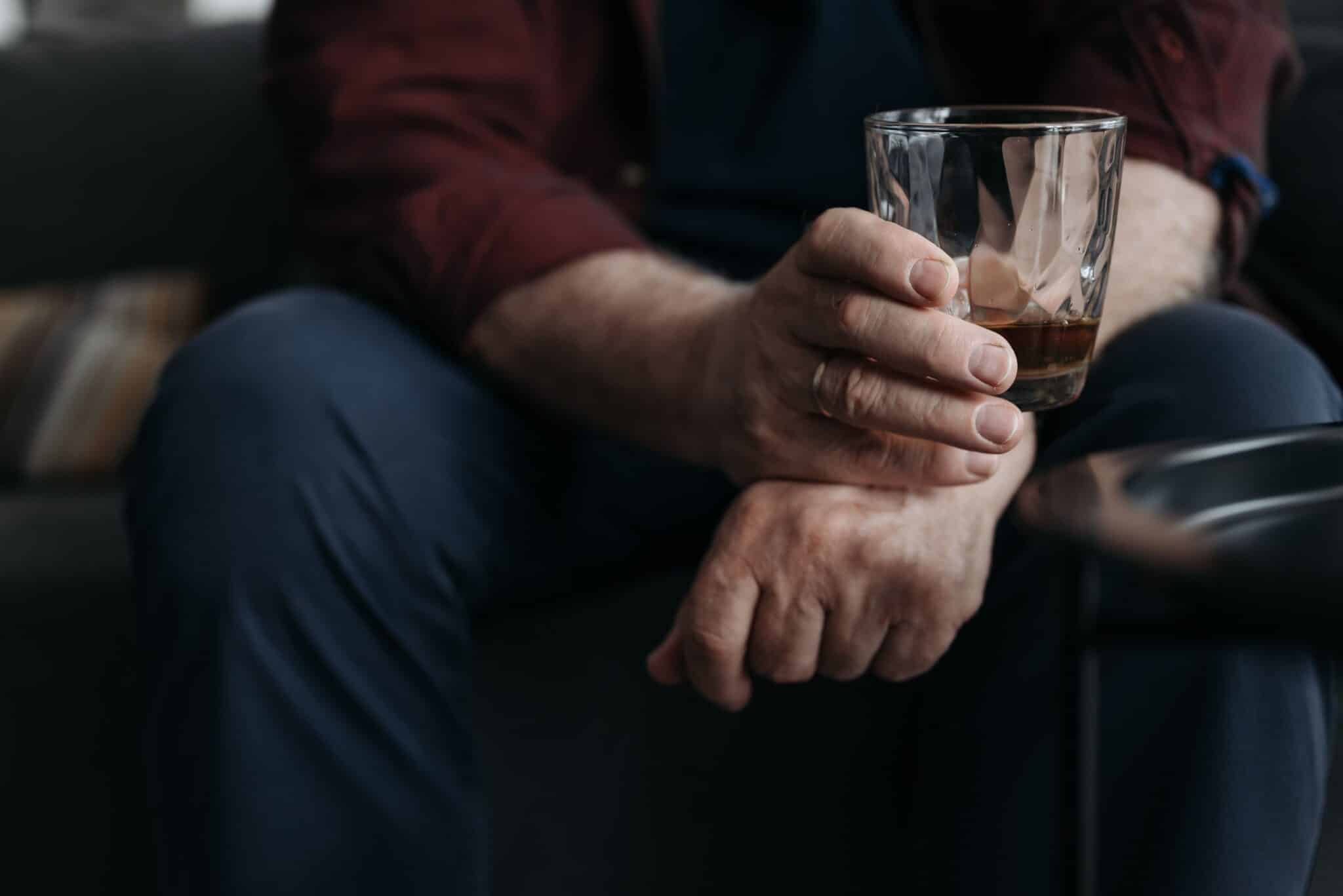
To everyone in her life, Emma looked like she had everything under control. She was the first one in the office most mornings, the one people leaned on when an extra project landed. Outside of work, she was still the reliable friend, the family member who showed up even when she was running on empty. From the outside, her energy looked endless.
But underneath, she was breaking down. Nights ended with her collapsed on the couch, too tired to make dinner. Sleep didn’t touch the exhaustion. One day blurred into the next until she felt like she was moving through life on autopilot, half there but not really present.
To take the edge off, she started pouring herself a drink in the evenings. At first, it seemed harmless, just a way to quiet her mind. But slowly, it became the only way she could get through, and she couldn’t stop.
Emma’s story is fictional, but it’s one many of us recognise. Left unchecked, burnout can become the doorway to addiction. And unless the cycle is interrupted, it can feel impossible to escape.
What burnout really feels like
Burnout is much more than being tired. It’s a deep depletion of energy and motivation. The World Health Organization defines it as “a syndrome resulting from chronic workplace stress that has not been successfully managed,” marked by three main signs:
- Exhaustion
- Mental distance or cynicism
- Reduced professional efficacy
Definitions do what they do by defining, but they don’t come close to describing the reality. Burnout is dragging yourself out of bed every morning already empty. It’s snapping at the people you care about because you don’t know how else to communicate. It’s losing interest in the things that used to light you up.
Burnout is often when substances sneak in. Life feels like a treadmill you can’t get off, and a drink or a pill promises a break. For a little while, it might even feel like it helps. But the relief is short-lived.
Why stress and addiction are so closely linked
Something that you may not realise is that chronic stress reshapes the brain. Research shows that ongoing stress alters the brain’s reward circuitry, increasing vulnerability to substance use disorders (Koob 2008).
When stress levels stay high, the brain’s ability to regulate itself weakens. Alcohol or drugs provide an artificial “reset,” temporarily soothing the stress response. But with repeated use, the brain learns that the substance is the shortcut to feeling okay. Over time, that shortcut becomes the default.
This is why burnout is such a dangerous setup for addiction. It leaves people physically and emotionally drained and desperate for relief, all while lowering the brain’s natural resilience.
The vicious cycle of burnout and addiction

The burnout–addiction cycle usually unfolds quietly:
- Exhaustion: Long-term stress drains you physically and emotionally
- Self-medicating: You use substances to numb or escape
- Dependence: Your brain begins associating relief with the substance.
- Deeper burnout: Addiction compounds your stress, leading to worse fatigue, shame, and isolation.
Emma’s nightly drink that once took the edge off became two, then three, then more. Soon, mornings were foggy, evenings were blurred, and weekends disappeared into hangovers. What started as relief became another layer of exhaustion.
This cycle is brutal because it convinces people they’re weak. In reality, it’s not a weakness at all. It’s biology. Addiction changes the brain’s chemistry in ways that willpower alone can’t fix.
Need our help?
Contact us today for free and confidential advice.
Why willpower isn’t enough
When someone is caught in this cycle, the most common thought is: I just need to try harder. Many people attempt to cut back or quit on their own, only to relapse when stress inevitably returns.
But addiction isn’t a matter of not having enough willpower. Addiction is a brain disorder, reinforced by stress and exhaustion (Sinha, 2008). That’s why professional treatment works where sheer determination often fails. Professional treatment targets all “parts” of the person through structure, therapy, medical support, and new coping tools—everything burnout has stripped away.
Think about it this way: no one expects a broken bone to heal through willpower. You need a cast, rest, and follow-up care. Addiction is no different. It requires stabilisation, support, and strategies that stick long after the initial crisis has passed.
What breaking the cycle really takes
Ending the burnout–addiction loop requires learning to live differently so that exhaustion no longer drives the need to escape.
At White River Manor, treatment is designed to heal both the addiction and the burnout that fuels it.
That might include:
- Detox and medical care for those who need to stabilise.
- Therapy that digs into underlying stress, trauma, or perfectionism.
- Stress-regulation practices which help calm the nervous system. Studies show that these practices lower cortisol and improve resilience in people facing burnout (Korkmaz et al., 2024).
- Peer connection, which breaks isolation and shame.
- Aftercare planning ensures that recovery continues long after leaving treatment.
These approaches give people the tools to face stress without reaching for substances and, most importantly, give them hope for their future.
Recognising the Signs
How do you know if burnout is leading you down a dangerous path? These are common red flags:
- You’re constantly exhausted, even after rest.
- You’ve lost interest in things you used to enjoy.
- You rely on alcohol or pills just to “get through.”
- Your relationships are strained because you’re irritable and withdrawn
- You feel hopeless, stuck, or like you’re living on autopilot.
It usually doesn’t start with some big crash. More often, it’s the slow wearing down of daily life: the dinners you skip because you’re too tired, the arguments that blur together, the fog that makes even simple things harder to focus on. Those little cracks add up, and if they’re ignored, they can turn into something much heavier to carry.
Catching those signs early matters. It gives you a chance to step in before burnout and addiction pull you under. It gives you space to reach for support before you’re completely drained.
What recovery can look like

Recovery is about creating something new—life that feels steadier, kinder, balanced in a way it maybe never has been before.
Think about waking up with real energy, not the kind borrowed from a drink or a pill. Think about actually being present when someone’s talking to you, not drifting somewhere else in your head. Think about weekends that feel like a gift instead of something to survive.
Recovery is where trust in yourself starts to come back. It’s learning that stress doesn’t have to knock you flat, and exhaustion doesn’t have to be your identity. At White River Manor, people start to experience what true rest feels like. They practice setting boundaries, feeding their bodies with good food, moving in ways that build strength, and finding healthier ways to process emotions than running from them.
For some, it’s the first time they’ve experienced true rest in years. For others, it’s the first time they’ve felt joy without needing something external to create it.
Most importantly, recovery restores hope. Burnout takes that away first by convincing you that tomorrow will only be harder than today. Treatment reverses that story, showing you that tomorrow can actually feel lighter. That you can laugh again.
Taking the first step
Emma’s fictional story mirrors countless real ones. Burnout pushed her to the edge, and addiction kept her there. But stepping into treatment offered a way out.
If you see yourself in her story, know this: you don’t have to stay stuck in the cycle. Burnout doesn’t have to end in addiction, and addiction doesn’t have to define your life.
If burnout has worn you down and substances have become the way you cope, you don’t have to keep living that way. White River Manor is a place where you can rest, heal, and rebuild. You can break free from addiction and also recover from the exhaustion that pushed you there.
To see how we can help, you can reach out, ask your questions, and find out what treatment actually looks like. The cycle doesn’t have to keep repeating.
Because life is meant to be lived, not just survived.
Sources:
- Koob G. F. (2008). A role for brain stress systems in addiction. Neuron, 59(1), 11–34. https://doi.org/10.1016/j.neuron.2008.06.012
- Korkmaz et. al., (2024). Sudarshan Kriya Yoga breathing and a meditation program for burnout among physicians: A randomized clinical trial. JAMA Network Open, 7(1), e2353978. https://doi.org/10.1001/jamanetworkopen.2023.53978
- Sinha R. (2008). Chronic stress, drug use, and vulnerability to addiction. Annals of the New York Academy of Sciences, 1141, 105–130. https://doi.org/10.1196/annals.1441.030
- World Health Organization. (2019, May 28). Burn-out an “occupational phenomenon”: International classification of diseases. https://www.who.int/news/item/28-05-2019-burn-out-an-occupational-phenomenon-international-classification-of-diseases

About Gert Janse Van Rensburg
Gert Janse van Rensburg is a Clinical Psychologist and Equine Therapist at White River Manor. With over two decades of experience, Gert helps oversee most of the clients, bringing deep knowledge and a calming presence to addiction recovery.