
Addiction rarely, if ever, develops in isolation.
For many people, substance use is closely linked to unresolved emotional pain, difficult life experiences, or traumatic events that left an imprint far beyond the experience.
When addiction occurs alongside another mental health condition, such as PTSD, anxiety, or depression, it is known as dual diagnosis or co-occurring disorders.
Recognising how trauma and addiction are so often deeply intertwined is essential for effective recovery.
Without addressing both conditions together, treatment may only provide temporary relief rather than lasting change.
With that in mind, those seeking support for dual diagnosis must explore treatment options that provide comprehensive, integrated care tailored to the individual and their unique struggles.
What is dual diagnosis?
Dual diagnosis describes the presence of both a substance use disorder (like alcoholism or cocaine addiction) and a mental health condition (such as anxiety or depression) occurring at the same time.
These disorders more often than not influence and reinforce one another.
For example, someone may begin using alcohol or drugs as a way to cope with overwhelming emotions or mental health symptoms, such as intrusive memories or chronic anxiety.
Over time, substance use can intensify those same symptoms the person is trying to escape, creating a cycle that becomes increasingly difficult to break.
Common mental health conditions that frequently co-exist with addiction include:
- Trauma-related disorders, including PTSD.
- Anxiety disorders.
- Depression.
- Panic disorders.
- Personality disorders, such as narcissistic and antisocial personality disorders.
When trauma is an underlying factor, substance use may function as a form of self-medication, temporarily numbing emotional distress or helping someone avoid painful or distressing memories.
When addiction and trauma co-exist

Trauma can significantly affect how the brain and nervous system react to stress and emotional pain.
Experiences such as childhood adversity, abuse, loss, abandonment, or prolonged stress can leave lasting psychological and physiological effects that continue long after the event.
For some individuals, substances may initially feel like a way to manage these effects. Alcohol or drugs may seem to provide temporary relief from:
- Intrusive thoughts or memories.
- Emotional numbness.
- Anxiety and hypervigilance.
- Feelings of shame or guilt.
- Sleep disturbances.
However, while substances may briefly alleviate distress, over time, they can often worsen the underlying trauma or other unresolved pain.
When this happens, the nervous system remains dysregulated, and dependency on substances can develop as the person tries to maintain that temporary sense of relief.
This cycle is often what brings people to our treatment centre in South Africa:
Emotional suffering (painful emotions) equals temporary relief (substance use) equals more suffering (substance dependence alongside heightened mental health symptoms).
The most common dual diagnosis conditions
Although dual diagnosis disorders are often different from person to person, some common conditions frequently co-occur together.
These include:
- Alcohol addiction and depression.
- Prescription drug addiction and anxiety disorders.
- Cocaine or alcohol abuse and bipolar disorder.
- Opioid or alcohol addiction and PTSD.
- Marijuana and schizophrenia.
Understanding dual diagnosis and why integrated treatment matters

Traditional addiction treatment models often focus primarily on stopping substance use. But quitting is only one aspect of recovery.
While detoxification and abstinence are important steps and absolutely must be acknowledged, they may not address the deeper emotional drivers behind addiction.
If unresolved trauma remains untreated, individuals may continue to experience the same distressing symptoms that initially led them to use substances.
Without alternative coping strategies and safe, effective trauma processing, relapse risk significantly increases.
This is why many modern treatment programmes emphasise the importance of integrated care, which addresses both addiction and the underlying psychological factors contributing to it.
Dual diagnosis treatment in South Africa: How we can help
Integrated treatment approaches recognise that recovery requires addressing the whole person – not just the substance use behaviours.
Our multidisciplinary team provides comprehensive, personalised dual diagnosis treatment to individuals with co-occurring disorders such as addiction and trauma.
Although treatment at our centre in South Africa is personalised to the unique struggles and lived experience of each individual, a typical dual diagnosis programme at White River Manor may look something like this:
Comprehensive assessment and medical detox
Treatment at White River Manor begins with a comprehensive assessment and psychological evaluation to understand your needs, medical history, and background.
Once you complete this stage, you may begin medical detox, which helps rid your body of substances and toxins under the guidance of our experienced medical team.
Trauma-informed therapy
Trauma-informed treatment involves a variety of different therapeutic approaches to help you reprocess your trauma in a safe, supportive setting so that these experiences no longer cause you such distress.
EMDR (eye movement desensitisation reprocessing) and trauma-specific therapy are evidence-based frameworks we often use to help individuals explore and understand traumatic experiences in a safe and supportive environment.
Treatment is always paced and customised to the individual and their comfort levels.
Our multidisciplinary team offers compassionate support and care to help you reprocess your experiences safely and effectively, helping you understand your unique coping patterns and unhealthy beliefs that often fuel substance use.
Addiction counselling
Evidence-based therapies such as cognitive behaviour therapy (CBT) and dialectical behaviour therapy (DBT) are designed to help you understand the patterns behind your substance use and develop healthier coping and relapse prevention strategies.
Psychiatric support
We also provide psychiatric support, which involves a comprehensive assessment and treatment for co-occurring mental health conditions, including medication management where appropriate.
Holistic therapies
Complementary approaches such as mindfulness, yoga, movement-based therapies, and music and art therapy can help support nervous system regulation and emotional well-being, which we offer as part of an integrated treatment programme.
Multidisciplinary care
Our experienced team of specialists, including therapists, medical professionals, and wellness practitioners, works collaboratively with individuals and families to support sustainable recovery and effective treatment outcomes.
Why early intervention matters
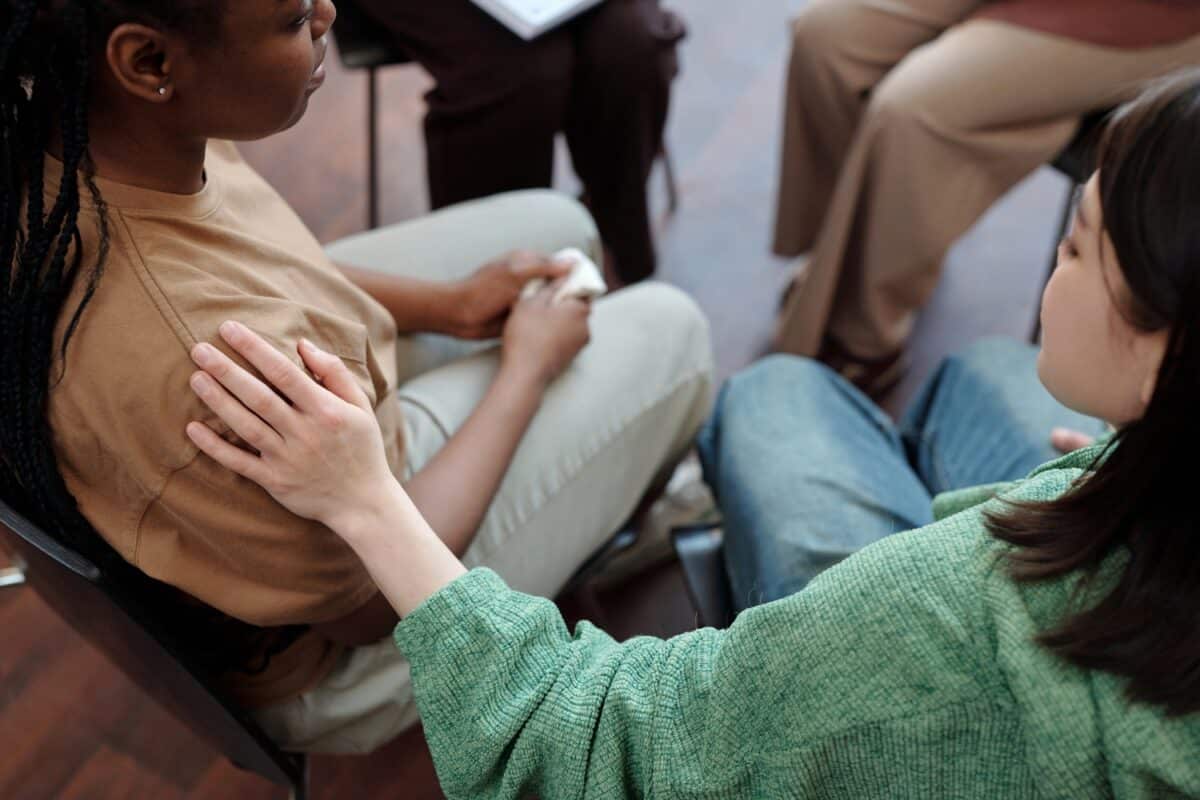
Recognising the signs of dual diagnosis early can make a significant difference in long-term recovery outcomes.
Some indicators that trauma and addiction may be connected to the struggles you (or a loved one) are dealing with include:
- Using substances to cope with emotional distress.
- Persistent anxiety, panic, or intrusive memories.
- Difficulty regulating emotions.
- Cycles of relapse despite previous treatment.
- Feeling emotionally overwhelmed or numb.
Seeking professional support can help you begin addressing both your addiction and any underlying trauma in a structured and compassionate setting.
Next steps
Recovery from addiction and trauma is not simply about quitting a particular substance or behaviour; it is about creating a strong foundation for emotional healing, stability, and lasting well-being.
With the right support, you can learn to understand the association between your past experiences and present behaviours, develop healthier coping mechanisms, and rebuild a sense of safety and control in your life.
Integrated, trauma-informed treatment offers a pathway toward sustainable recovery and meaningful transformation.
If you or a loved one is struggling with addiction alongside trauma or other mental health challenges, compassionate and professional support is available.
Our team is here to help you explore treatment options and take the first step toward lasting recovery.
Contact our team for a private, no obligation discussion today.
Remember – we are in this together.

About Dr Magda Rall
Dr Magda Rall is a seasoned professional with over 25 years of experience in care, primarily within the private sector. Holding a PhD in multi-disciplinary studies (sociology and psychology) from the University of Calvary, she has spent the last four years focusing on rehabilitation, working closely with substance users and their families. A recipient of the prestigious Mariette Loots National Award and a passionate volunteer for CANSA, Magda brings a wealth of knowledge and empathy to her role as Head Therapist at White River Manor.