Written by Renee W.
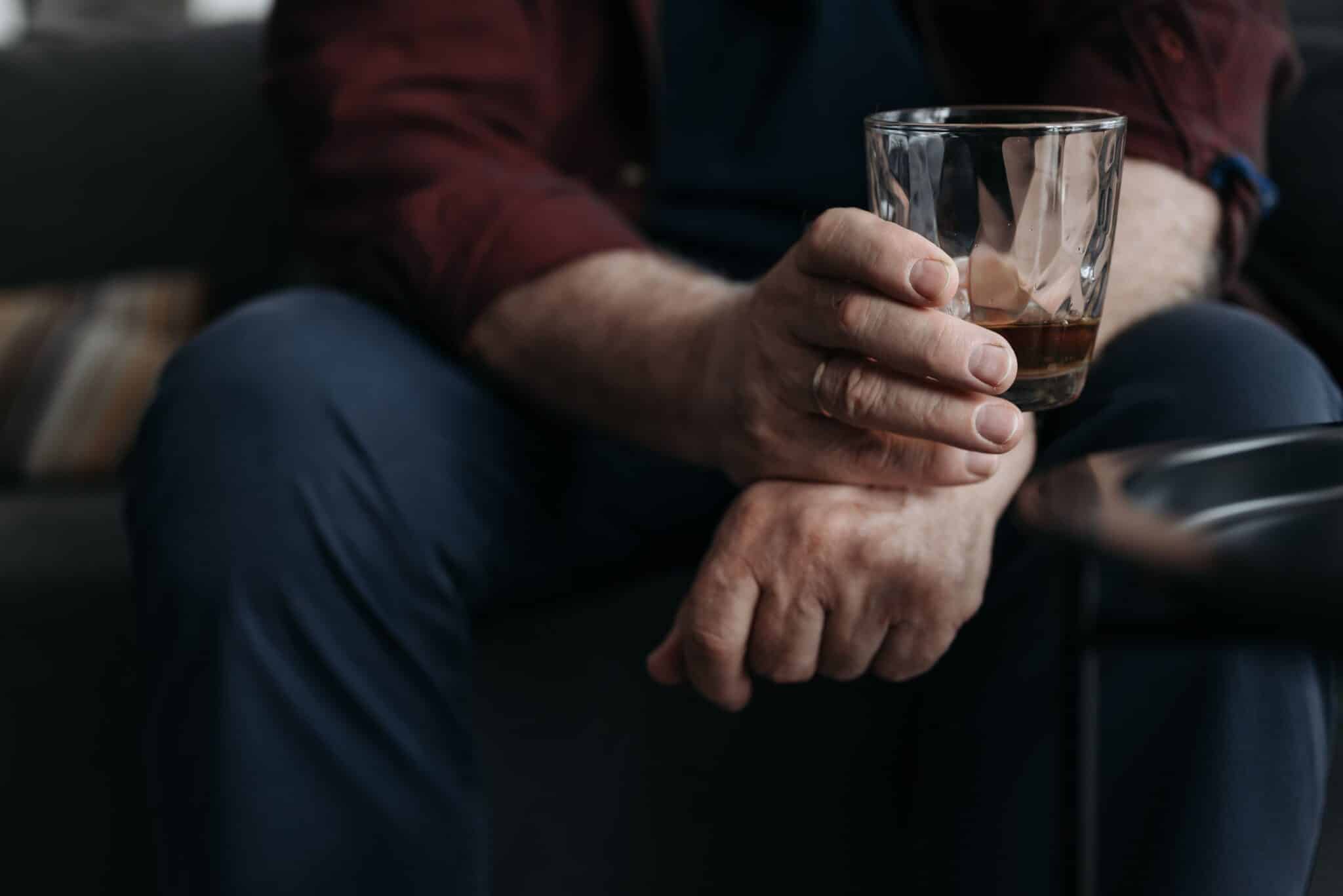
I used to think I could beat my addiction on my own. I told myself, You just have to be stronger. You just have to want it more.
So I tried. I tried so very hard.
Again and again, I promised myself that this would be the last drink, the last pill, the last time. I’d wake up in the morning determined to do better, but by the end of the day, I’d be right back where I started: ashamed and wondering what was wrong with me.
If you’re reading this, you probably know that cycle all too well. Maybe you’ve had a few days, weeks, or even months where you stayed sober just by sheer determination. But then something happened. A stressful day, a fight with someone you love, or a wave of loneliness. Suddenly, willpower alone just wasn’t enough.
What if I told you that willpower doesn’t work in addiction? That you can have all the willpower in the world and it simply doesn’t matter if you’re fighting for your life to get sober?
I want you to know that a lack of willpower does not mean you are weak. I wish I would have understood this way before I did. I also want you to know that no amount of willpower on its own can keep you sober long term.
Why willpower feels like it should work
We live in a culture that praises determination and “mind over matter.” The message is everywhere: if you want something badly enough, you’ll find a way to get it. For most challenges in life, there’s some truth to that.
If you want to get fitter, you push yourself to go to the gym. If you want to pass an exam, you study harder. These are situations where willpower can be enough because they’re not rewiring your brain’s survival systems in the same way addiction does.
Addiction changes the game.
Science shows that the substance has literally altered how your brain functions. It changes how you process pleasure, stress, and even basic survival instincts. Your brain starts to treat the substance like it’s essential for life, just like food or water.
This is why white-knuckling it, holding on tight with sheer will, feels impossible. You’re fighting your own brain chemistry.
My turning point
For a long time, I refused to believe I needed treatment. I thought going to rehab was for people who had “really” lost control. I told myself I wasn’t that bad. I still had a job. I mean, sure, I had lost one in the past because of my addiction, but I currently have one. That counts for something, right?
I still had people in my life who cared about me. I still had days where I could stop, or at least had days where I was so hungover from the night before that I didn’t drink all day and counted that as a stop.
But deep down, I knew the truth. I was exhausted. I not only hated the way I was living, I hated myself. No matter what I tried, I couldn’t seem to change it. Nothing worked.
It wasn’t until I admitted something I had never allowed myself to say out loud:
I can’t do this alone.
That was the moment things started to shift. I didn’t have any willpower, and that’s OK. It was when I realized willpower was irrelevant and I needed outside help.
Need our help?
Contact us today for free and confidential advice.
Why treatment works when willpower doesn’t
Treatment is about giving you what you actually need.
When I finally entered a professional programme, I learned that addiction recovery is about so much more than just not using. It’s about healing the underlying causes, rewiring the brain, and building a whole toolkit of strategies that make long-term sobriety possible.
Here’s what I discovered not just in treatment but in the years that followed:
1. You’re not alone in your fight.
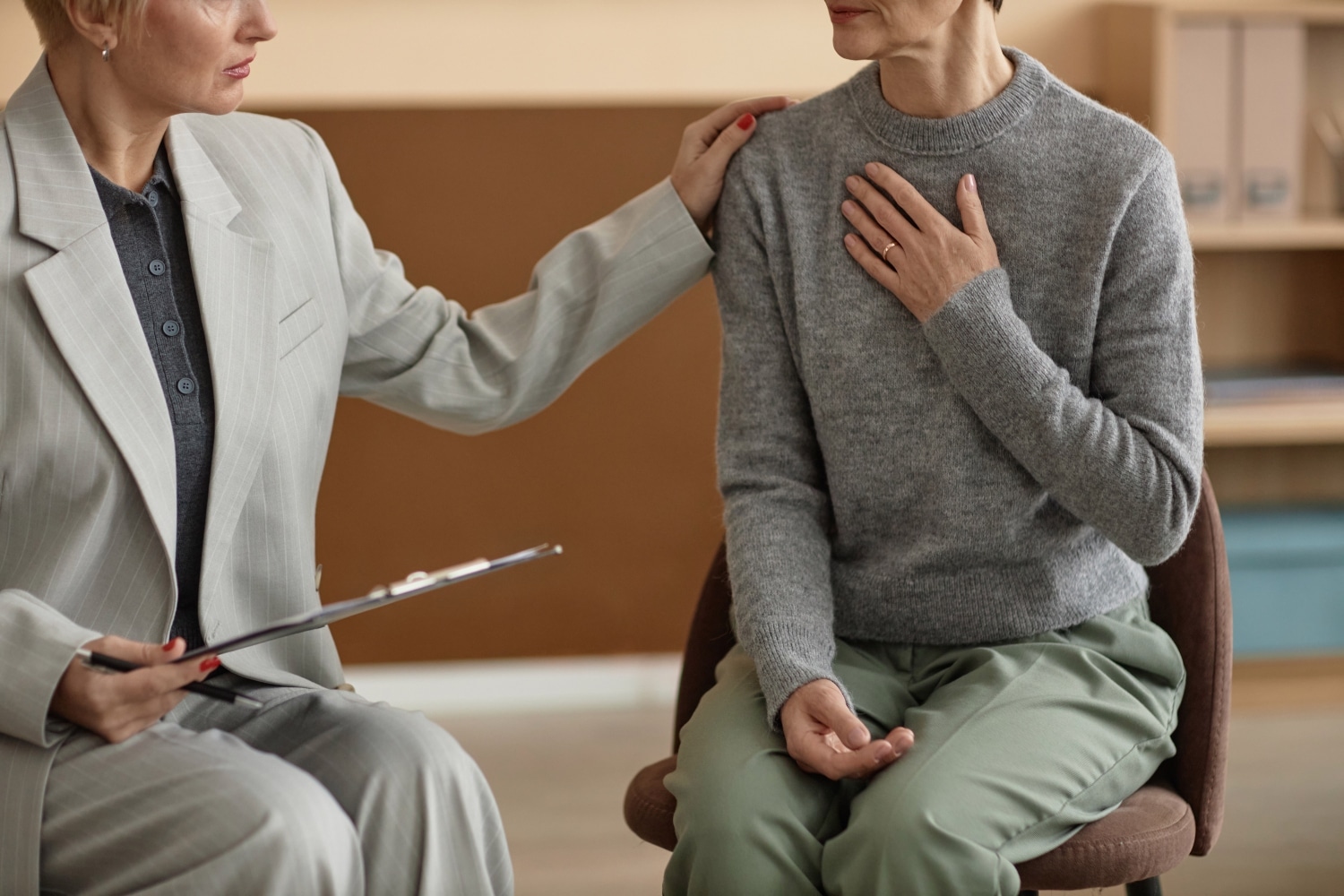
In treatment, you’re surrounded by people who understand what you’re going through, both professionals and peers. That sense of connection is powerful. It keeps you from feeling like you’re the only one who’s ever struggled this way.
2. You learn how to manage triggers.
Willpower doesn’t teach you what to do when stress hits or when you walk into a situation where temptation is everywhere. In treatment, you learn practical coping tools, like grounding techniques and relapse prevention plans.
3. You get to the root of the problem.
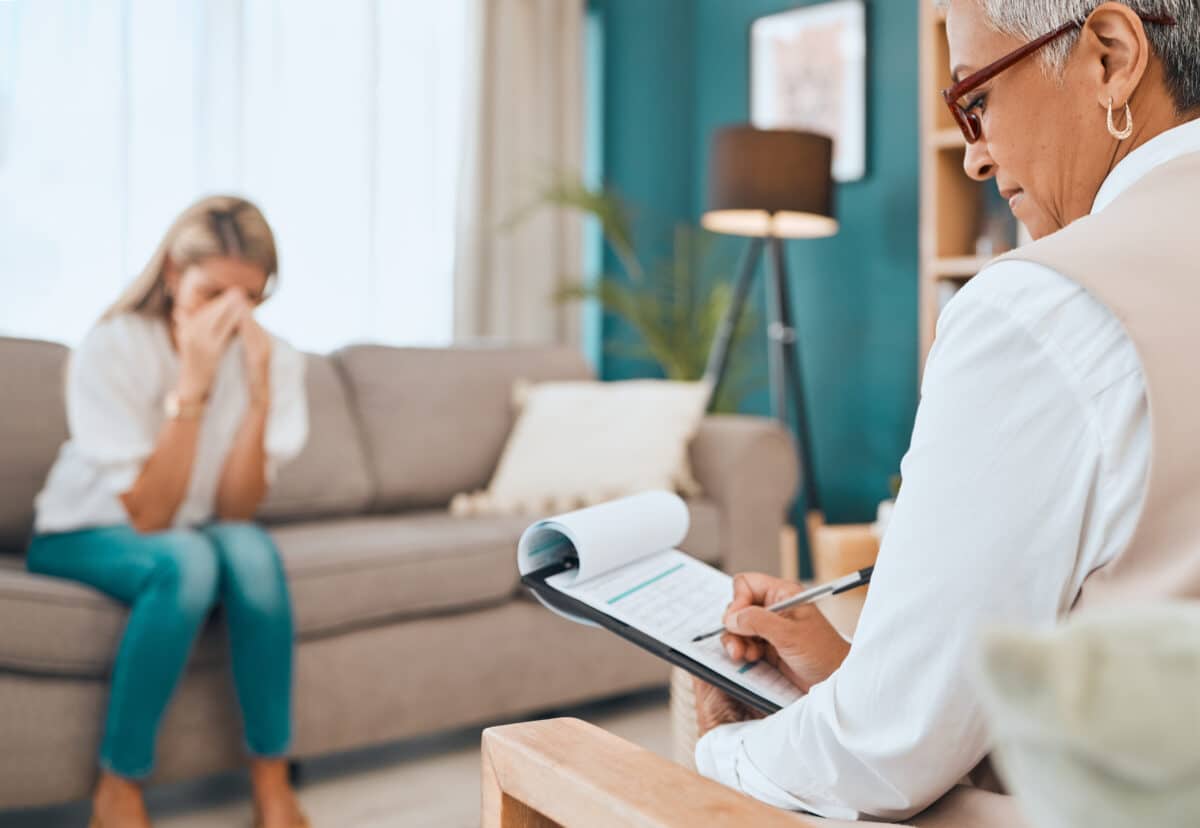
For me, my substance use was tied to past trauma that I had never addressed and an inability to deal with certain feelings. Until I addressed those things, I was always going to feel like I needed something outside myself to cope. Therapy helped me see the patterns and break them. This took years, and I’m still working on it, but treatment is where it started.
4. Your brain and body have a chance to heal.
In early recovery, you’re dealing with withdrawal symptoms and mood swings. Professional treatment provides medical and therapeutic support so your body can stabilise and your mind can start thinking clearly again.
5. You build a plan for life after treatment.
This was huge for me. Willpower is reactive—it works in the moment but doesn’t prepare you for the future. Treatment gives you structure and follow-up care so you don’t walk out the door feeling lost.
Facing the fear of going to treatment

I won’t pretend I wasn’t scared to go. I worried about what people would think, about being away from home, and about whether I’d “fit in.” I wondered if I could even trust myself to stick with it. I had never followed through with anything recovery related before, so I had serious doubts.
But here’s what I wish I could tell the version of me who was hesitating:
It’s okay to be scared. It’s okay to not know what’s going to happen. The only thing that matters is that you start, and that’s simple: you start by starting.
If you’re reading this and thinking about coming to White River Manor, I want to reassure you about a few things:
- You’ll be safe. The environment here is secure, private, and designed to help you focus on your recovery without outside distractions.
- You’ll be treated with respect. No one here is going to judge you for what you’ve been through. We’ve seen every stage of addiction, and we’re here to support you, not shame you.
- You’ll still be connected to your life. Many people worry about being completely cut off. While you’ll be encouraged to focus on your healing, you’ll still be able to maintain healthy contact with loved ones.
What help really looks like
When I first arrived, I wasn’t sure what to expect, but I figured lectures, maybe some group therapy, and a lot of sitting around feeling guilty would be part of the plan. Instead, I found a programme built around personalised care. My treatment plan included holistic activities like meditation and practical workshops on everything from nutrition to stress management.
I met people from all over the world who understood everything I was going through. We shared meals, stories, and those small moments of progress. My confidence started to build.
One of the biggest surprises for me was how much life there was in recovery. I thought sobriety meant missing out, but I started noticing things I’d forgotten how to enjoy: good food, restful sleep, conversations where I was fully present. My world started to expand.
Moving beyond willpower
If willpower alone could have saved me, it would have. I had plenty of it in other areas of my life. I could push through work deadlines and make things happen when they needed to. But addiction wasn’t something I could “muscle through.”
Recovery required a different kind of strength—the strength to admit I needed help, to accept it, and to trust a process I didn’t fully understand yet.
That’s what I want you to hear: needing help is wisdom.
Taking the next step

If you’re thinking about getting help, here’s what I’d suggest:
- Reach out today. Don’t wait for a “perfect” moment. It doesn’t exist. The sooner you start, the sooner you can get your life back.
- Be honest about what’s not working. Telling the truth is the first step forward.
- Ask questions. If you’re considering White River Manor, talk to the admissions team. Ask about the programme, the facilities, and what daily life looks like.
- Focus on the possibility, not the fear. Imagine what life could look like six months from now if you take this step. Hold onto that vision.
You don’t have to do this alone
I used to think the hardest part of recovery would be saying no to my substance of choice. It wasn’t. The hardest part was saying yes to help.
But that “yes” was the best decision I ever made. It gave me my life back, and not just the life I had before addiction, but a fuller, richer version I didn’t know was possible. Some days I just look around, even on stressful days, and I think I absolutely cannot believe this life I get to live.
If you’re ready to move beyond willpower and into real, lasting change, I want you to know there’s a place here for you.
Reach out. Let this be the day you choose a new way.

About White River Manor
Our guest authors are individuals who have bravely chosen to share their personal journeys of recovery, offering insights, hope, and encouragement to others. Each story reflects unique experiences with addiction, mental health challenges, and the path to healing. These authors aim to inspire and connect with readers, providing real-life perspectives on the struggles and triumphs of recovery. Through their shared stories, they contribute to a growing community of support and understanding.