Grief is considered one of the most universal experiences, yet its impact is anything but.
The loss of a loved one is a deeply personal and often sacred experience. How each of us learns to cope with such a life-altering change is a unique journey, as unique as the grief itself.
Grief reshapes the way we see the world, ourselves, and our sense of safety and belonging.
It can also alter our beliefs, particularly regarding previously held notions of love, relational safety, and self-identity.
Note: You’ll hear the word ‘safety’ mentioned quite a few times in this article, and for good reason. Why? Because loss chips away at this very aspect the most.
Given this litany of challenges, it’s very common for grievers to turn to different coping styles, which are survival responses the individual (unconsciously) adopts to help them process the reality of their unique grief experience.
Some may isolate to cope with the loss. Others may distract themselves with work and busyness.
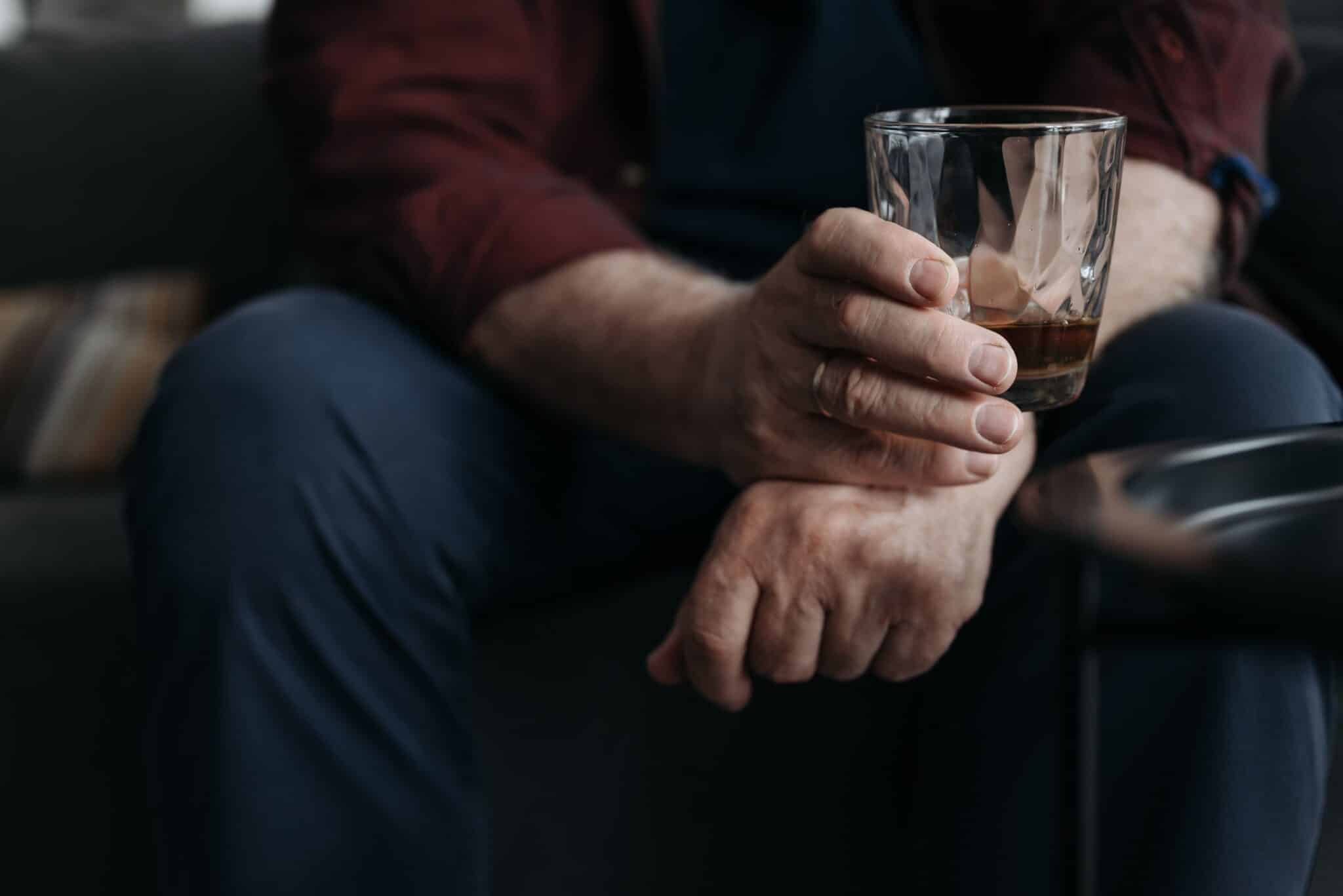
And, something we see all too often at our addiction treatment centre in South Africa, is that many grievers turn to substance use to cope with the all-consuming, life-changing experience of forever losing someone they love.
For many, particularly in early loss, grief feels impenetrable, unbearable, and quite frankly, unreal.
Many grievers may feel like they’ve been catapulted into an entirely different dimension, one where nothing feels real, safe, or even fair.
This ‘different dimension’ is a metaphor for the profound disorientation and alienation that grief can bring. It’s like waking up in a world where the familiar rules of life no longer seem to apply, and everything feels strange and unsettling.
In the grief community, there is a deep understanding that in the face of loss, anything goes and any response is normal, given the enormity of what has happened.
This approach helps to reduce any shame or self-blame, particularly when it comes to how a griever learns to cope with the loss of a loved one, which can often take the form of alcohol and drug use, as well as other compulsive behaviours such as overeating, overspending, or engaging in risky activities.
How we can help
At White River Manor, we offer a safe and supportive environment for a diverse range of clients who are coping with the loss of a loved one.
We offer resources and education to help individuals understand early coping styles in grief, such as substance use.
Clients are given a safe, supportive space where their grief is seen, heard, and witnessed, providing foundational safety, which is one of the core components grievers need to help them come to terms with the loss, particularly in the acute stages.
Unlike what we’ve been told by society, grief doesn’t come in waves; for many, it comes in tsunamis.
The connection between grief and addiction

The emptiness and shock that often follow the death of a loved one can be what leads people to seek comfort in whatever takes away the hollow void of loss, particularly in early grief.
For many, this looks like turning to alcohol, prescription drugs, or other substances, anything that helps the individual forget, distract, or simply numb whatever emotions or sensations that can erupt at any given moment without warning.
Research has shown a profound connection between substance abuse and complicated grief disorder, which is a debilitating and disabling response to loss where the individual finds it challenging to function or cope with daily life.
According to a Psychology Today report:
Grief is one of the core issues to be addressed in treating substance use disorders (SUD). Sometimes the grief comes before the SUD, and at other times the use is intensified by a loss. The combination of trauma and grief can be powerful. Left unprocessed, it eats away at us and can make our lives miserable.
At our addiction treatment centre in South Africa, we often see how grief and addiction become intertwined, a coping method that helps the individual survive the earlier stages, which, in the short term, may work.
However, the keyword here is ‘short term’.
What often happens is that these coping behaviours can lead to a dependency, where what was once a short-term solution can turn into a full-blown addiction if left unchecked.
It’s crucial to be aware of these potential long-term consequences to help you avoid the harms associated with unhealthy coping patterns like substance abuse.
When grief becomes too much: Understanding early coping

When a person experiences the loss of a loved one, the nervous system goes into shock.
Grief is a change we didn’t want and certainly didn’t ask for – making the experience of loss a boundary violation.
Inherently, grief dysregulates the nervous system, where the individual experiences a range of natural responses, including shock, despair, numbness, rage, and even physical symptoms like body aches, skin issues, and other complications.
Grief is not just an emotional or mental process; it is also a physical and spiritual experience.
When all parts of you feel under threat, drugs and alcohol can feel like a helpful lifeline – perhaps the only pathway to feeling like yourself again.
A way to take the edge off, to blur reality, if only for a little while.
In early loss, substances may appear to be helpful, providing a fleeting sense of escape or calm from the wide-awake nightmare that grief responses can elicit.
However, over time, the very thing that helped you cope in the beginning can be what traps you in a cycle of dependence that exacerbates the pain rather than making it feel better.
When grief evolves into complications like addiction, it’s never because the person is grieving wrong or that they are weak or broken.
It’s because they are having a natural, human response to something that feels inherently unsurvivable.
This is often the point at which clients turn to treatment centres like ours for help and support.
The psychology of grief and addiction
The interconnectedness of grief and addiction is a lot more complex than what can be written in one article.
However, here are some basic facts we know about the interplay between these two experiences:
- Unresolved grief and trauma are major factors in substance abuse.
- Individuals who have experienced multiple losses before the age of eighteen are at higher risk for substance use disorders in later life.
- Mourning the loss of the addiction (as well as a loved one) is vital to lasting recovery, particularly for individuals who have abused substances for a long time.
- Addiction is often a coping mechanism used in grief to help individuals cope with survival responses like anxiety, depression, and trauma.
- Normalising these responses is essential and can help reduce shame, self-blame, and stigma attached to both grief and addiction.
At White River Manor, we see various clinical responses that emerge from individuals who are experiencing both grief and addiction, such as:
- Emotional avoidance – This is when an individual uses substances like drugs or alcohol to suppress grief responses, helping them distract from difficult emotions.
- Isolation – Social withdrawal is a common response to loss, where the individual isolates from friends and family. This can often lead to feelings of loneliness and disconnection in the long term.
- Loss of identity – This is an incredibly common reaction to grief, yet it is profoundly misunderstood. Many grievers may begin asking themselves, ‘Who am I now that my loved one is no longer here?’ ‘Where is home?’ ‘What is my place in the world?’ Addiction exacerbates the existential questioning that can take place after loss and can feel impossible to answer while in the grip of dependency.
- Depression and anxiety – Grief can act like a fertiliser to what was already there before the loss, and can magnify existing mental health conditions like depression and anxiety.
How to get help

Adequate grief support must be trauma-informed and culturally sensitive to make it a safe and effective approach, particularly for those in the early stages of mourning.
Evidence-based approaches to grief can include:
- Therapeutic support, such as Cognitive Behavioural Therapy (CBT) and Acceptance and Commitment Therapy (ACT), can help individuals understand their unique challenges, emotions, and grief responses, enabling them to rebuild their lives after loss.
- Somatic and body-based healing – Since most humans process emotions from the bottom up, somatic-based approaches to loss can help individuals process grief stored in the body. Through breathwork, body scanning, yoga, and mindfulness, clients learn to reconnect with their bodies and cultivate awareness of their loss that the mind cannot reach, providing them with deeper opportunities for more profound healing.
- Peer support – Sharing lived experiences and connecting with others who understand your unique challenges with grief and addiction can be deeply transformative. Sharing stories, listening to others, and rebuilding a sense of community are crucial to achieving lasting recovery.
- Trauma-informed treatment – This approach allows individuals to process trauma in the body, similar to somatic approaches, but more intently focused on adverse experiences that arise due to grief or other unprocessed events from the past.
- Creative expression – Another effective type of grief and addiction support is creative expression, which can be achieved through art therapy, writing, music, and equine therapy, among other methods that spark creativity and help you find connection and belonging.
Next steps
If you are struggling to cope with the loss of a loved one, please remember this: there is no timeline for grief, and your experience is completely valid.
If you think you may benefit from professional grief and addiction support, our team offers specialised programmes that help clients process loss in a safe, supportive, and compassionate environment.
Whether you’ve lost a loved one, or you are going through a divorce, separation, or another type of loss, there is a way forward – and recovery begins with one conversation, one single courageous step toward the life you deserve.
Grief may forever change us, but with the right support and guidance, we can walk with you throughout this new unfolding in a way that is safe, supportive, and aligned with the beautiful version of you that is emerging.
Contact our professional and compassionate team today, who will be happy to offer additional help and support.
Remember, we are in this together.

About Dr Magda Rall
Dr Magda Rall is a seasoned professional with over 25 years of experience in care, primarily within the private sector. Holding a PhD in multi-disciplinary studies (sociology and psychology) from the University of Calvary, she has spent the last four years focusing on rehabilitation, working closely with substance users and their families. A recipient of the prestigious Mariette Loots National Award and a passionate volunteer for CANSA, Magda brings a wealth of knowledge and empathy to her role as Head Therapist at White River Manor.