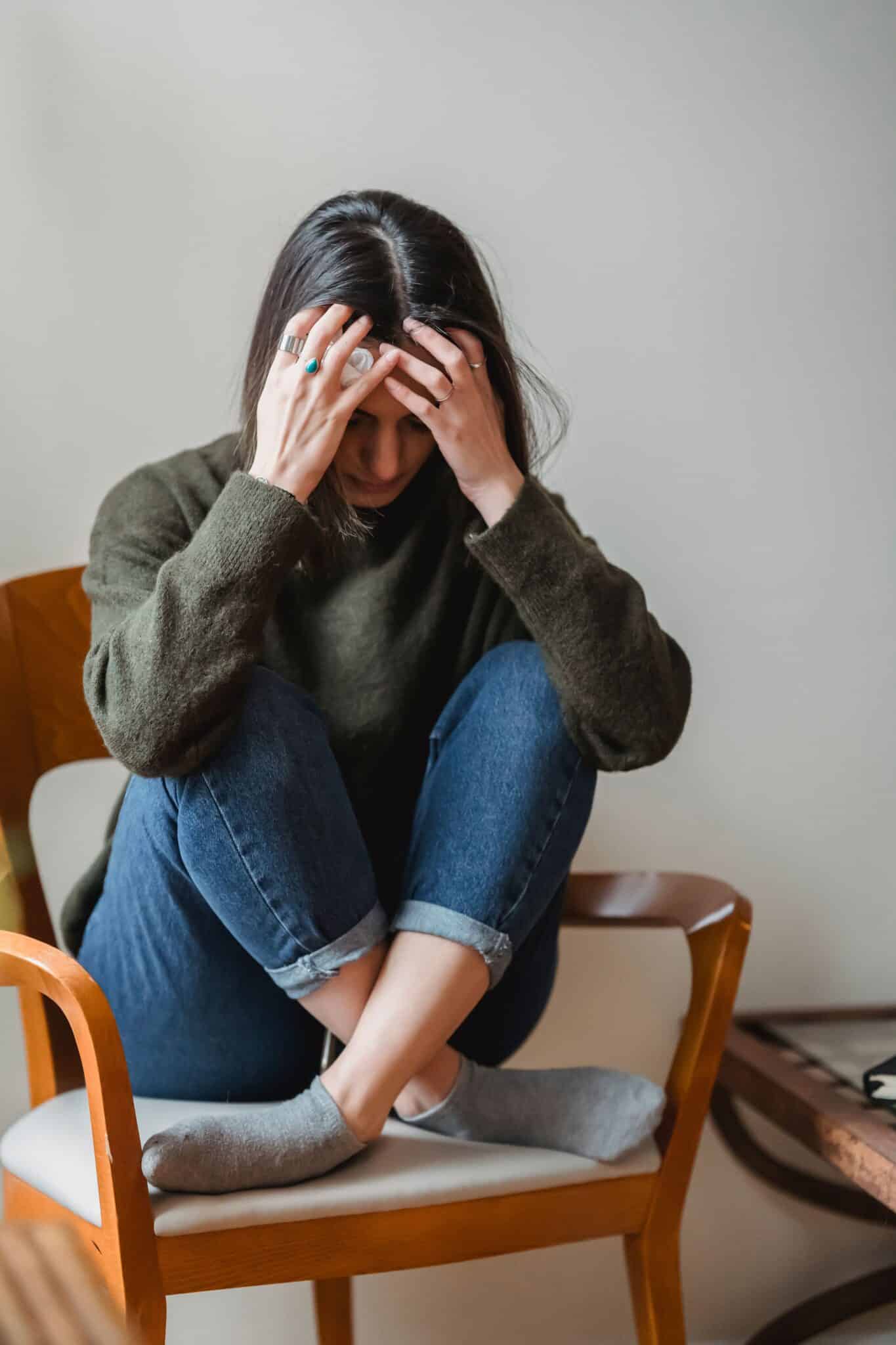
Why Do I Feel Anxious After Drinking? Understanding Hangxiety and the Connection Between Alcohol and Mental Health
You wake up after an evening of drinking and immediately feel that something is wrong. Your heart is beating faster than usual, your thoughts are racing and an uncomfortable sense of dread begins settling in. You replay conversations from the night before, wonder whether you said something inappropriate and feel anxious about situations that would not normally concern you.
Perhaps you did not drink excessively by your own standards. You may have enjoyed a few glasses of wine over dinner, attended a business event or spent the evening celebrating with friends. Yet the following morning, you experience an emotional reaction that feels disproportionate to anything that actually happened.
This experience is often called hangxiety, a combination of hangover and anxiety. Although the term is informal, the symptoms can be very real. Understanding why anxiety occurs after drinking can provide important insight into how alcohol affects the brain, nervous system, sleep and emotional regulation.
For some people, occasional alcohol-related anxiety is an unpleasant but isolated experience. For others, it becomes part of a repeating pattern in which alcohol is used to manage stress or anxiety, only to contribute to greater distress afterwards.
At White River Manor, private residential addiction and mental health treatment recognises the close relationship between substance use and emotional wellbeing. Understanding why someone drinks, how alcohol affects their mental health and what happens when its effects wear off can be an important part of developing a sustainable recovery plan.
What Is Hangxiety?
Hangxiety describes feelings of anxiety, worry, nervousness or emotional distress that occur during or after a hangover.
It can affect people differently. Some experience mild uneasiness that gradually improves throughout the day, while others develop intense anxiety that interferes with work, relationships or their ability to function normally.
Common experiences may include:
- Racing thoughts, excessive worry or a sense of impending doom
- Increased heart rate, restlessness or physical tension
- Replaying conversations and worrying about previous behaviour
- Irritability, guilt, embarrassment or heightened emotional sensitivity
- Difficulty concentrating, sleeping or feeling comfortable around others
Not everyone experiences these symptoms after drinking. Their severity can vary depending on the amount consumed, individual sensitivity, existing mental health concerns, sleep disruption and other factors.
Although hangxiety may resemble an ordinary hangover, the emotional symptoms can sometimes be more distressing than the physical discomfort.
Why Does Alcohol Cause Anxiety the Next Day?
Alcohol affects several systems involved in regulating mood, stress and nervous system activity.
When someone drinks, alcohol initially suppresses activity in the central nervous system. This can produce feelings of relaxation, reduced inhibition and temporary relief from tension.
For someone who experiences anxiety, this effect may feel particularly appealing.
A difficult day becomes easier to forget. Social situations feel less intimidating. Thoughts slow down, and the pressure of responsibilities seems less immediate.
However, these effects do not last.
As alcohol leaves the body, the nervous system must readjust. Changes in brain signalling, disrupted sleep and the physical effects of drinking can contribute to feelings of nervousness, agitation and anxiety.
The result can feel confusing because the same substance that appeared to reduce anxiety the previous evening may contribute to its return the following morning.
Alcohol Changes the Balance of Brain Activity
Alcohol influences neurotransmitter systems involved in relaxation and alertness, including gamma-aminobutyric acid (GABA) and glutamate.
GABA generally helps reduce nervous system activity, while glutamate is involved in excitatory signalling.
Alcohol temporarily changes the activity of these systems. As its effects wear off, the brain works to restore balance, and some people experience increased nervousness or agitation during this adjustment.
This does not mean everyone who drinks will develop anxiety.
However, it helps explain why alcohol’s initial calming effects can be followed by an uncomfortable emotional response.
Alcohol Can Disrupt Sleep Quality
One of the most overlooked contributors to anxiety after drinking is sleep.
Alcohol may initially make someone feel sleepy, which can create the impression that it helps with rest. However, drinking can disrupt normal sleep architecture, contribute to fragmented sleep and reduce sleep quality.
You may spend eight hours in bed but wake feeling mentally and physically depleted.
Poor sleep can make it more difficult to regulate emotions, manage stress and respond calmly to everyday challenges.
For executives and professionals already operating under significant pressure, this can be particularly noticeable.
A difficult meeting, challenging conversation or ordinary responsibility may feel considerably more overwhelming after a night of disrupted sleep.
Physical Hangover Symptoms Can Intensify Anxiety
The physical effects of drinking can also contribute to emotional distress.
Dehydration, nausea, headaches, fatigue and changes in appetite may leave someone feeling physically unsettled.
An increased heart rate or trembling sensation can resemble symptoms associated with anxiety, which may make the experience more frightening.
Someone who is already sensitive to bodily sensations may interpret these changes as evidence that something serious is wrong.
This can create a cycle in which physical discomfort increases anxiety, and anxiety makes physical sensations feel more intense.
Persistent or severe symptoms should not automatically be dismissed as hangxiety, particularly when someone drinks heavily or regularly.
Why Do I Feel Guilty or Embarrassed After Drinking?
Not all alcohol-related anxiety is primarily physical.
Sometimes the emotional discomfort comes from uncertainty about what happened the previous evening.
Alcohol reduces inhibitions and can affect judgement, memory and decision-making. Someone may behave differently than they normally would, share personal information or say something they later regret.
The following morning, they begin reviewing everything.
Did I talk too much?
Was I inappropriate?
Did I offend someone?
Did I embarrass myself?
Even when nothing significant occurred, uncertainty can create considerable distress.
For people who place high expectations on their behaviour, professionalism or reputation, this experience can become especially uncomfortable.
A senior executive may worry about how they appeared at a corporate event. A business owner may replay a conversation with an important client, while someone who values maintaining control may feel unsettled by not remembering every detail of the evening.
The anxiety is not necessarily evidence that something went wrong.
However, repeated concerns about behaviour while drinking may indicate that alcohol is creating experiences that conflict with someone’s values or expectations.
Why Is Hangxiety Worse for Some People?
Individual responses to alcohol vary considerably.
Someone may drink socially without experiencing noticeable anxiety the next day, while another person experiences significant emotional distress after a similar amount.
Several factors may influence this difference.
Existing Anxiety or Mental Health Concerns
People who already experience anxiety may be more vulnerable to distress following alcohol use.
Alcohol can temporarily reduce uncomfortable feelings, but it does not resolve the underlying causes of anxiety.
When the effects wear off, those concerns may return alongside the physical and psychological consequences of drinking.
This can create a particularly difficult experience for someone who initially used alcohol to feel calmer.
Chronic Stress and Burnout
Someone experiencing chronic stress may already have limited emotional capacity.
Work demands, financial responsibilities, relationship pressures and inadequate rest can contribute to a heightened sense of tension.
Alcohol may provide temporary relief, but the following day’s fatigue and anxiety can make those same pressures harder to manage.
Over time, drinking to unwind can become another factor contributing to emotional exhaustion.
Drinking Patterns and Quantity
Larger amounts of alcohol can increase the likelihood of hangover symptoms and related distress.
However, the relationship is not identical for everyone.
Some people experience anxiety after relatively modest drinking, while others may not recognise emotional changes until their alcohol use has become more frequent.
The important consideration is whether a pattern is developing and how it affects the individual’s wellbeing.
Why Do I Drink to Relax if It Makes My Anxiety Worse?
This is one of the most important questions in understanding the relationship between alcohol and anxiety.
If drinking makes someone feel worse the following day, why do they continue?
The answer often involves immediate relief.
Imagine finishing a demanding day filled with meetings, difficult decisions and responsibilities. Your mind remains active long after work has ended, and you struggle to transition into relaxation.
A glass of wine or a drink may appear to provide that transition.
Within a relatively short period, you feel less tense.
Your thoughts slow down.
You become more comfortable.
In that moment, alcohol seems helpful.
The anxiety that appears the following morning feels distant from the decision to drink, even though the experiences may be connected.
This creates a pattern in which short-term relief repeatedly outweighs longer-term consequences.
The Cycle of Drinking to Manage Anxiety
For some people, alcohol and anxiety gradually become connected in a repeating cycle.
Anxiety increases, so they drink to relax.
The alcohol provides temporary relief.
Sleep becomes disrupted, and anxiety returns the following day.
They spend the day feeling uncomfortable, distracted or emotionally unsettled.
By the evening, they want relief again.
Alcohol remains the familiar option.
Over time, the person may begin relying upon drinking to manage the very symptoms that alcohol can contribute to.
This does not mean everyone who experiences hangxiety has alcohol dependence.
It does mean that repeatedly using alcohol to manage anxiety deserves attention, particularly when the pattern becomes difficult to interrupt.
Can Hangxiety Be a Sign of Alcohol Dependence?
Hangxiety alone is not enough to diagnose alcohol dependence or alcohol use disorder.
However, recurring anxiety associated with drinking can be one reason to examine your relationship with alcohol more closely.
Consider whether you have begun drinking more frequently than intended, repeatedly tried to reduce your intake or found it difficult to relax without alcohol.
You may also notice that drinking continues despite its effects on sleep, emotional wellbeing, relationships or professional responsibilities.
These patterns can be more meaningful than any single episode of next-day anxiety.
A qualified professional can assess whether alcohol use has become problematic and what level of support may be appropriate.
Hangxiety vs. Alcohol Withdrawal: Understanding the Difference
It is important to distinguish ordinary next-day anxiety from possible alcohol withdrawal.
For someone who drinks heavily or regularly and has developed physical dependence, reducing or stopping alcohol can produce withdrawal symptoms.
These may include anxiety, sweating, shaking, nausea, increased heart rate, agitation and sleep disturbances.
More severe alcohol withdrawal can involve seizures, hallucinations or delirium and may be life-threatening.
Because some symptoms overlap with hangxiety, it is important not to assume that significant anxiety after drinking is always a harmless hangover effect.
Anyone who may be physically dependent on alcohol should seek medical advice before abruptly stopping. Severe confusion, seizures or other serious withdrawal symptoms require emergency medical attention.
Why High-Performing Professionals May Overlook Alcohol-Related Anxiety
For executives, entrepreneurs and other professionals, alcohol-related anxiety may be dismissed as an unavoidable consequence of a demanding lifestyle.
You assume you are anxious because work is stressful.
You feel tired because you travel frequently.
You struggle to concentrate because your calendar is full.
You wake with a sense of dread because another difficult week is beginning.
These explanations may contain some truth.
However, alcohol may also be contributing to the symptoms.
Someone can remain highly successful while experiencing a gradual decline in emotional wellbeing.
They continue meeting deadlines, managing teams and fulfilling responsibilities, but the personal cost becomes increasingly difficult to ignore.
Recognising the relationship between drinking and anxiety can be an important step towards understanding what is actually affecting their wellbeing.
Can Alcohol Make an Existing Anxiety Disorder Worse?
Alcohol can complicate the management of existing anxiety disorders.
Someone experiencing generalised anxiety, panic symptoms or social anxiety may initially find that drinking temporarily reduces discomfort.
However, alcohol can disrupt sleep, contribute to rebound anxiety and interfere with the development of healthier coping strategies.
It may also interact with medications prescribed for mental health conditions, creating additional risks.
This is why it is important to consider alcohol use when assessing persistent anxiety.
Treating anxiety without discussing drinking patterns may leave an important contributing factor unaddressed.
Likewise, addressing alcohol use without understanding underlying anxiety may overlook one of the reasons someone repeatedly returns to drinking.
How Can I Reduce Anxiety After Drinking?
If you experience occasional anxiety after alcohol use, paying attention to the pattern is a useful starting point.
Consider how much you drank, how well you slept and whether anxiety occurs consistently after drinking.
Reducing or avoiding alcohol may help prevent future episodes.
For immediate discomfort, rest, hydration, regular meals and a calmer environment may help with some hangover-related symptoms. These measures do not treat alcohol withdrawal and should not be used as a substitute for medical care when symptoms are severe or concerning.
It may also be helpful to avoid repeatedly reviewing the previous evening or assuming that anxious thoughts accurately reflect what happened.
If the experience continues, becomes more intense or begins influencing your decisions about drinking, professional assessment may be appropriate.
What if I Feel Anxious Even When I Have Not Been Drinking?
Some people initially believe alcohol is the primary cause of their anxiety.
After reducing their drinking, they discover that anxiety remains.
This does not mean changing their alcohol use was unhelpful.
It may indicate that alcohol was one part of a broader problem.
Chronic stress, anxiety disorders, trauma, depression, burnout and other mental health concerns can contribute to persistent emotional distress.
For some individuals, alcohol became a way of managing symptoms that were already present.
A comprehensive treatment approach can help explore these relationships rather than assuming one explanation applies to everyone.
When Should I Consider Professional Alcohol Treatment?
Not everyone who experiences hangxiety needs residential addiction treatment.
For some people, reducing alcohol consumption, addressing sleep and seeking outpatient support may be appropriate.
More intensive treatment may be worth considering when drinking has become difficult to control, attempts to stop have not lasted or alcohol is increasingly affecting mental health and everyday functioning.
Someone may also need additional support when anxiety, depression, trauma or other mental health concerns are closely connected with substance use.
The appropriate level of care depends upon individual circumstances, including drinking patterns, physical health, withdrawal risk and psychological needs.
A professional assessment can help determine which approach is suitable.
Why Treating Alcohol Use and Mental Health Together Matters
Alcohol-related anxiety is an example of why addiction and mental health cannot always be understood separately.
Someone may drink because they feel anxious.
They may become anxious because they drink.
Both experiences may reinforce one another.
For another person, alcohol use may be closely connected with trauma, chronic stress or a long-established pattern of avoiding uncomfortable emotions.
Meaningful treatment involves understanding these relationships.
Simply removing alcohol without considering why someone relied upon it may leave important needs unaddressed.
Likewise, focusing exclusively on anxiety without examining alcohol use may limit progress.
An individualised approach allows both areas to be considered within the same treatment plan.
Private Alcohol and Mental Health Treatment at White River Manor
Located in South Africa, White River Manor provides private residential addiction and mental health treatment for individuals seeking a discreet, individualised approach to recovery.
The programme supports people experiencing alcohol addiction alongside concerns such as anxiety, depression, trauma, chronic stress and executive burnout.
For someone whose drinking has become closely connected with managing anxiety, treatment provides an opportunity to explore both the substance use and the emotional experiences surrounding it.
The residential environment offers separation from familiar routines and pressures, allowing clients to focus more fully on therapeutic work.
This can be particularly valuable for executives, professionals and international clients who may find it difficult to prioritise their mental health while remaining immersed in demanding everyday responsibilities.
The restorative surroundings support the treatment experience, but the central focus remains the clinical work needed to understand the individual’s circumstances and develop a sustainable recovery plan.
Learning to Relax Without Alcohol
For someone who has relied upon alcohol to unwind, one of the most significant changes in recovery may involve learning how to relax differently.
This can be more challenging than expected.
You may have spent years associating the end of a demanding day with a drink.
Without that familiar routine, the mind may remain active.
Stress does not immediately disappear.
Emotions still need attention.
Learning to manage these experiences without alcohol can involve developing healthier coping strategies, improving sleep routines, addressing underlying anxiety and changing the expectations placed upon yourself.
The objective is not to eliminate every uncomfortable feeling.
It is to develop the ability to experience and manage those feelings without automatically relying upon alcohol.
Recovery Should Prepare You for Everyday Life
A person may make meaningful progress during residential treatment, but eventually they return to ordinary responsibilities.
Work resumes.
Relationships continue.
Stressful situations arise.
Social occasions may still involve alcohol.
For executives and professionals, business dinners, travel and high-pressure decisions may remain part of everyday life.
Recovery planning therefore needs to reflect the environment someone will actually return to.
Understanding triggers, developing coping strategies and identifying appropriate ongoing support can help bridge the transition between residential treatment and life afterwards.
The goal is not simply to feel better while away from everyday pressures.
It is to develop a healthier way of responding when those pressures return.
Why Do I Feel Anxious After Drinking? Listening to What Your Body Is Telling You
If you repeatedly wake after drinking with racing thoughts, uneasiness or a sense of dread, it may be tempting to dismiss the experience as simply part of a hangover.
But recurring anxiety deserves attention.
It may indicate that alcohol is affecting your sleep, nervous system or emotional wellbeing more than you previously recognised.
It may also reveal a pattern in which drinking has become a way of managing stress or anxiety, even when it contributes to greater discomfort afterwards.
You do not need to wait until alcohol has caused significant damage before exploring these concerns.
At White River Manor, private residential addiction and mental health treatment provides an opportunity to understand the relationship between alcohol use, anxiety and the broader circumstances influencing someone’s wellbeing.
Because meaningful recovery is not simply about removing alcohol from your life. It is about understanding what you were relying upon it for and developing healthier ways to manage life without it.

About White River Manor
Our guest authors are individuals who have bravely chosen to share their personal journeys of recovery, offering insights, hope, and encouragement to others. Each story reflects unique experiences with addiction, mental health challenges, and the path to healing. These authors aim to inspire and connect with readers, providing real-life perspectives on the struggles and triumphs of recovery. Through their shared stories, they contribute to a growing community of support and understanding.