In recent years, literature on mental health and addiction in South Africa has increasingly emphasised the role of the body in recovery.
This new understanding is casting fresh light on substance abuse treatment, reinforcing the importance of considering the body in recovery strategies, where previously, the focus was almost entirely on the mind.
In some therapeutic circles, there is a strong belief that the body itself acts as a repository of memory, holding our fears, lived experiences, desires, and unconscious beliefs.
From a scientific point of view, the body’s role in emotional processing is especially important.
Research shows that around 80% of human emotions and experiences are processed from the bottom up, highlighting the significance of the body in mental health and addiction treatment.
Contrary to popular belief, our thoughts and cognitions account for a far smaller part of healing than many might imagine.
This realisation calls for a more comprehensive ‘whole’ person approach to addiction and mental health recovery, challenging the traditional focus on the mind in recovery strategies.
Here’s what else the research tells us:
- Our cells carry the burden of traumatic memories and experiences, shaping our behaviours and beliefs without conscious awareness.
- The human brain encodes traumatic experiences before language is even developed (pre-verbal trauma), which can influence adult behaviour, without conscious recollection.
- Trauma can trigger physiological responses when activated, which bypass logical thoughts and reactions.
Why true recovery must involve the body

When most individuals think about addiction recovery, they likely envision a process focused on resilience, willpower, and psychological strength and determination.
This is not at all surprising since, for many decades, treatment models have focused solely on sobriety and cognitive change – setting boundaries, learning to say ‘no’ and going through a process of reprogramming harmful thought patterns.
However, with the current advanced research and heightened awareness around the role the body plays in recovery, it’s clear that addiction, irrespective of its form, is not just a mental health disorder or a disease of the mind.
It’s also a body-based condition, a fact that we must acknowledge and support for treatment approaches to be practical and for client outcomes to remain favourable.
At our rehab centre in South Africa, we understand that deep, meaningful recovery from the profound, enduring effects of trauma and addiction extends way beyond the mind, thoughts, and mental cognitions.
Fortunately, most treatment providers nowadays have moved away from the idea that clients can ’emotionally reframe’ their way out of substance abuse and trauma.
For instance, practices like meditation and somatic experiencing are all body-based approaches that have shown promising results in trauma and addiction recovery – all of which we offer here at White River Manor as part of our addiction treatment programme in South Africa.
Our team understands that for treatment to be effective and long-lasting, we must incorporate the body.
This process involves the emotions and experiences stored in the muscles and cells, as well as the nervous system, and, of course, the profound physiological responses that shape an individual’s sense of safety and behaviour, leading to lasting change.
The body remembers what the mind forgets
Many clients who come to our treatment centre in South Africa, whether seeking help for a mental health issue, addiction, or another co-occurring disorder, have often tried to think their way out of their pain before arriving at our door.
They’ve done ‘the work’, attended therapy, read numerous self-help books, set healthy boundaries with loved ones, and told themselves to be strong, not to do ‘the thing’, and that all will be okay eventually.
However, as renowned trauma expert Bessel van der Kolk reminds us, the body keeps a tally of our lived experiences and emotions.
Key themes from Van der Kolk’s work include:
- Understanding trauma: Van der Kolk describes trauma not just as an event but as an experience that leaves a lasting imprint on the mind and body.
- The body and brain connection: He emphasises that trauma often disrupts normal brain functioning, particularly regions responsible for emotional regulation and memory, leading to heightened stress responses that affect physical and emotional well-being.
- Historical origins: In his book, The Body Keeps the Score, Van der Kolk criticises psychiatry’s dependence on medication and highlights the importance of a more holistic approach to treatment that includes body-based therapies.
- Recovering from trauma: The author explores various approaches that can support individuals in recovery, including mindfulness, and other body-centered methods.

Remember, your mind may have forgotten all the years of trauma, shame, and fearful experiences that kept you in survival mode for so long.
However, your body keeps tabs, manifesting through tight shoulders, chronic inflammation, digestive issues, and unhealthy coping patterns like substance use and other compulsive behaviours to help you get by.
As one quote aptly conveys:
‘Our issues are in our tissues.’
When the past becomes the present
Research conducted by Psychology Today highlights the role the body plays in trauma and how painful experiences are literally held in the body, creating symptoms that may lead to unhelpful coping mechanisms like substance abuse.
For those who have experienced trauma, seemingly innocuous stimuli can suddenly activate these cellular memories, creating ‘flashbacks’ or ’emotional flooding.’ These responses often seem disproportionate to the current situation precisely because they’re not actually responses to the present – they’re reactions to implicit memories of past danger.
Beyond abstinence
At White River Manor, we work with clients to help integrate the mind, body, and soul in addiction and trauma recovery.
We achieve this through various evidence-based approaches and experiential methods, including specialised trauma-informed care, individualised treatment, and somatic therapies.
These approaches enable you to reconnect with your mind, cultivate a deeper relationship with your body, and realign with your spirit, facilitating the reprocessing of painful experiences and stored tension in a safe, contained, and supportive manner.
Why ‘mind-only’ treatment models fall short
Sobriety is always the ultimate goal in treatment.
Understandably, it is often the main objective for people who want to stop drinking, using drugs, or engaging in other compulsive behaviours such as gambling or gaming.
No longer ‘doing the thing’ that feels good in the moment but causes harm in the long run is a crucial foundation for lasting recovery. However, sobriety is only one part of the bigger picture.
When you stop using or participating in destructive behaviours without addressing or outright neglecting body-based triggers, you may experience the following:
- Severe restlessness or agitation.
- Persistent anxiety or panic attacks (known as overwhelm or ‘hyperarousal’).
- Disconnection or emotional numbness (known as nervous system shutdown or ‘hypoarousal’).
- Chronic tension, fatigue, or insomnia.
- Relationship and/or work issues due to withdrawal symptoms.
- Increased risk for relapse.
You may experience these symptoms purely because your nervous system hasn’t yet learned that it’s safe.
Your body, being the brilliant mechanism that it is, remains in a protective state, reacting automatically, scanning for danger, and seeking relief in familiar, albeit unhelpful, ways.
That’s why treatment approaches that include safe resources, grounding, regulation, and reconnection are not just ‘nice to haves’.
They are a crucial part of substance abuse recovery, helping clients not only maintain sobriety but also feel safe and at home in their bodies.
Recovery that feels like coming home

At our rehab centre in South Africa, we know that recovery from addiction isn’t just about stopping a substance – it’s also about feeling safe in your body again, a complete reset where your mind and body begin communicating in harmony.
Many of us, caught up in the work-hard, play-even-harder culture of our time, often forget that we even have a body — at least in the sense that we overlook our physical cues and ignore the body’s natural intuition.
Our bodies have their own language. When we stop listening, we gradually lose touch with ourselves, becoming increasingly disconnected over time.
Addiction often thrives in this disconnection. It creates space for loneliness, shame, and self-doubt to settle in.
This is often when we tell ourselves, ‘just one more drink,’ ‘one more game,’ or ‘one last hit,’ giving us a false sense of control in situations where we actually have very little agency.
However, when we reconnect with our bodies, we become more attuned to the early signs of stress, burnout, and overwhelm — often before things escalate.
This awareness provides us with the tools to manage our emotions more effectively and respond thoughtfully, rather than react impulsively.
At White River Manor, we support clients in this process through:

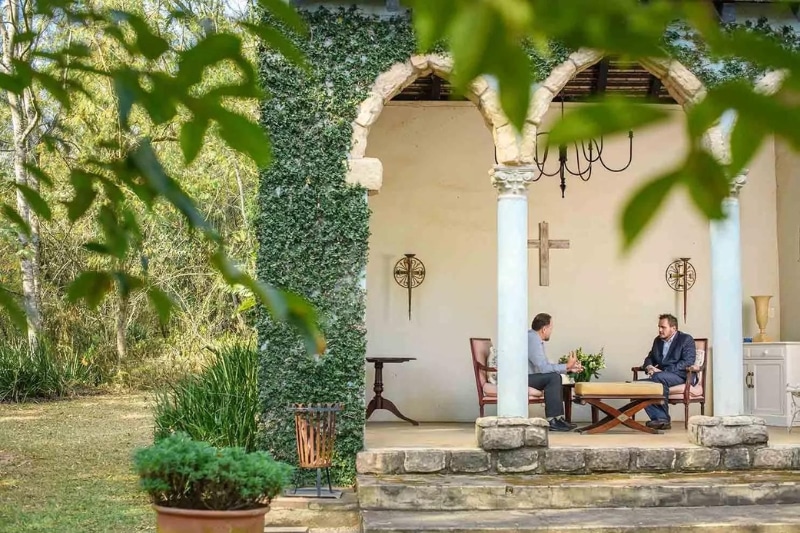


- Individual therapy provides a safe and supportive foundation for you to begin exploring emotions, behaviours, and past experiences that may have led to substance use in the first place.
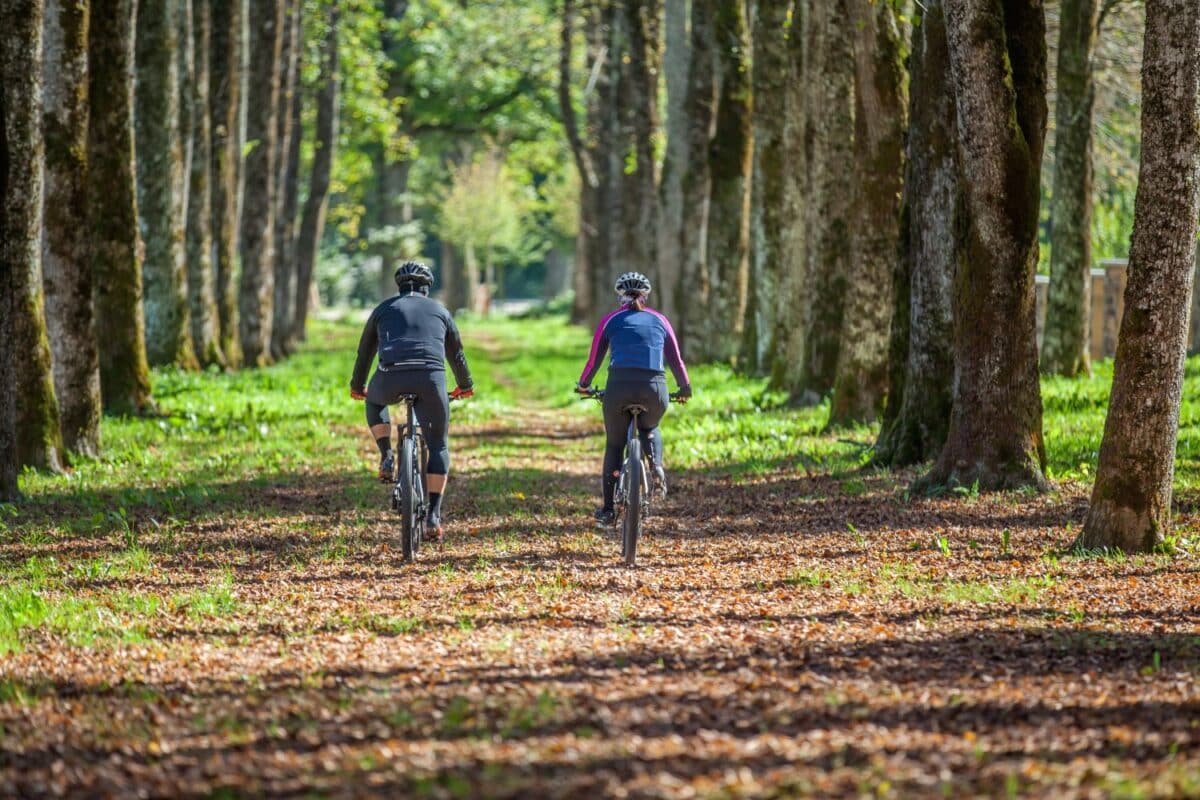
- Mindful movement allows your body to process emotions in a non-verbal way. Through these gentle practices, we have witnessed many of our clients begin trusting their own bodies again after years of disconnection.
- Trauma-informed care. At White River Manor, all our therapists are trained to recognise how trauma affects both the brain and body, leading to emotional issues like substance use as well as depression, anxiety, and trauma. Treatment moves at a slow, steady pace, ensuring clients do not become overwhelmed, shut down, or re-traumatised.
- A natural healing environment. We are situated in the heart of the stunning South African bushveld, providing clients with the ideal environment to rest, reflect, and rejuvenate. Fresh, clean air, delicious, nutritious food, and restorative sleep all help support healing on a physiological level.
Befriending the body and bringing it into the recovery process through personalised addiction programmes that treat the ‘whole’ person, not just the symptoms, is what makes up the components of a truly successful treatment experience.
And all this, and more, is what awaits you at White River Manor.
To learn more about our addiction treatment programmes, contact our professional and compassionate team today for further support and information.
Remember, you do not have to face these struggles alone.
We are here to walk beside you, every step of the way.

About Gert Janse Van Rensburg
Gert Janse van Rensburg is a Clinical Psychologist and Equine Therapist at White River Manor. With over two decades of experience, Gert helps oversee most of the clients, bringing deep knowledge and a calming presence to addiction recovery.