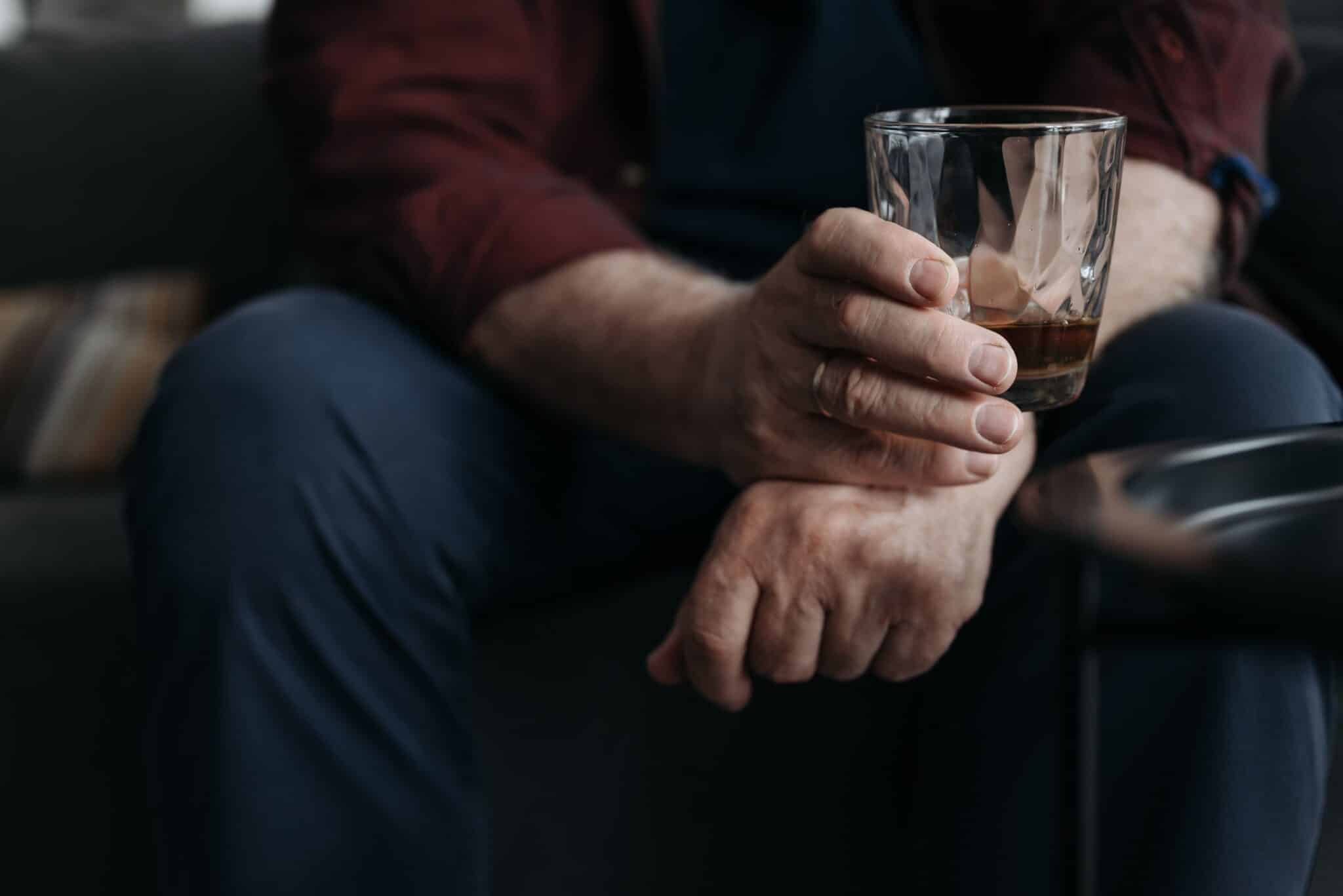
If you’ve recently completed inpatient addiction treatment and are feeling worried or anxious about maintaining your recovery after returning home, you’ve come to the right place.
With our team’s extensive experience in wellness and addiction treatment, we understand the anxiety that can accompany the transition from addiction rehab to home for those in recovery.
It’s important to remember that any concerns you may have during this time are entirely normal.
After all, you’ve just undergone a significant life-changing process, and the anxiety and apprehension you’re feeling likely signal your commitment to maintaining your sobriety and wellness.
Completing inpatient treatment is a significant milestone in your healing journey – but being back at home is often where the real work begins.
Returning to your old environment may resurface old wounds, present new challenges, and trigger emotional responses that you may have worked on in treatment but still feel raw and painful.
Having the right plan in place can help you maintain your strength and resilience during challenging moments, enabling you to stay sober after rehab.
Here, we’ve outlined some practical strategies to guide you in maintaining your recovery after returning home.
The following tips are designed to help you build a healthy, fulfilling life free from drugs and alcohol.
Let’s dive in.
1. Stick to your aftercare and support plan
Many rehab centres in South Africa, in fact, most parts of the world, include some sort of aftercare plan that is integrated into their addiction treatment programmes.
These programmes are integral to client outcomes as continued support and care can be what keeps you strong and focused once you return to everyday life after inpatient treatment.
Rehab is only the first step in what is often a lifelong recovery process for many, so it’s vital that you have the right aftercare plan in place to help you maintain your recovery after returning home.
At White River Manor, clients can expect the following from our aftercare and support services once they complete inpatient treatment with us:
- Ongoing counselling and therapeutic support (if needed).
- Peer support and family involvement.
- Vocational or educational assistance.
- Community support groups, including 12-step services.
- Life skills and relapse prevention strategies.
Our team believes that a solid aftercare plan is a fundamental aspect of successful addiction treatment.
Why?
Because it allows individuals to apply what they have learned during inpatient rehab, preventing them from falling back into old coping habits and patterns, which is crucial for sustaining recovery once they return home.
2. Build a sober support network

Another vital aspect of maintaining your recovery after returning home is building a strong, sober support network.
For those in recovery, daily life can often be filled with temptations and triggers; therefore, surrounding yourself with people who respect and encourage your sobriety is vital for your long-term healing.
Building a supportive sober network may look something like this:
- Spending time with family, friends, and community who understand and support your recovery journey.
- Connecting with recovery peers for mutual support and accountability.
- Avoiding past drinking or drug-use circles or places.
Cultivating a strong, sober support network can be invaluable, as having trusted, sensible people around you to lean on during challenging moments can help you feel seen and supported.
This allows you to stay accountable for your own choices and behaviours, and can help you maintain your recovery after rehab.
3. Recognise and manage your triggers
For many, returning home after inpatient rehab can be a trigger in itself – it often means facing people, places, and emotional stressors that once led to drug or alcohol use.
One of the keys to maintaining your recovery once you return home is first to identify your triggers and then learn to manage them effectively.
Some strategies you might find helpful here include:
- Writing down your personal triggers in a notepad or journal. You can be as creative or detailed as you like, noting the times of day when you feel most triggered, who or what stresses you out, and jotting down any cravings you may experience along the way.
- Developing healthy coping techniques. This may include engaging in your favourite exercise, mindfulness, deep breathing, or calling a trusted friend or peer support member.
- Avoiding high-risk situations. This is a big one, as old social circles and places can be a massive reminder of past substance use. They can also be triggering, so it’s best to avoid these situations whenever possible.
- Knowing your ‘why’. When you feel triggered or vulnerable, it can help to remind yourself of why you decided to get sober in the first place. Writing down a list of ‘whys’ and revisiting it during vulnerable moments can be helpful, serving as a reminder of why sobriety is so important to you, which in turn helps you stick to your goals.
4. Create a structured daily routine

Those who are active in addiction often live hectic, chaotic lives.
Some people may appear more functional than others, but upon closer examination, there’s always an element of dysfunction in the person’s routine or the way they manage their life.
Structure and addiction are not often synonymous with each other, so having a set routine can help reduce any temptation or boredom you may experience as you settle back into home life.
A structured routine will look different to each individual, but you may find sticking to the following helpful:
Plan your day
Plan your mornings, afternoons, and evenings in a way that resonates with you, your hobbies, and what genuinely inspires and motivates you.
You may want to write a book. Join an art class. Take up flower arranging. Or you may want to rest between work and social engagements.
The point is to create a daily routine that you enjoy and look forward to in the morning.
Incorporate self-care
Another vital aspect of maintaining your recovery is to include self-care in your daily routine as much as possible.
This may involve taking five minutes to meditate in the morning or going for a jog around the park during your lunch break.
You may even want to take a thirty-minute nap in the afternoon.
Whatever helps you feel healthier and more balanced can be part of a healthy self-care routine, so take the time to incorporate it into your daily schedule.
Set short and long-term goals
This point ties in nicely with your ‘why’.
Setting short and long-term goals can help you move forward with intention, giving you more control as you navigate life after treatment.
Take as much time as you need to create these goals, as they may become the map to your future health and wellness.
5. Have a relapse prevention plan in place

Most rehab centres in South Africa (ours included) provide relapse prevention as part of their aftercare and support service.
These programmes are integral and can help individuals in recovery manage any cravings or thoughts of using they may experience after they return home.
Relapse prevention plans are often tailored to the needs and preferences of the individual, but may include the following:
- Having a sponsor, therapist or support group immediately available.
- Practising the coping mechanisms you learned in treatment – such as deep breathing, contacting a trusted friend or distracting yourself with an activity until the urge passes.
- Reminding yourself of the reasons you chose recovery – Was it to improve your health? Relationships? Finances? Quality of life? Or all of the above?
- Accessing professional support- Drawing on resources from peer groups or your treatment team for practical guidance and support.
Exploring your triggers
Exploring who or what may trigger your cravings or urges is crucial and can help you manage them and avoid relapse.
You could ask yourself the following:
What places may trigger or exacerbate cravings?
Who are you around when the cravings start? What thoughts/emotions emerge around these people?
How does your body feel around certain people in your life?
These are all cues as to what may trigger you to want to use substances, so it’s crucial to identify them and avoid these situations whenever possible.
Additional tips you can implement to help you maintain your recovery after returning home may include:
Learning to manage stress and emotions
This may include developing strategies to help you cope with the symptoms of anxiety, depression, or addiction cravings.
You may incorporate breathwork, mindfulness, or engage in therapy and self-care practices to help you stay in control and empowered as you navigate your recovery journey.
Setting realistic goals
Recovery is not a linear process. There are often many ups and downs along the way.
However, creating a list of achievable action items and goals can help you feel more inspired and accountable as you move through the different stages of recovery.
This may include embarking on a brand-new career path, enrolling in a new class or course to enhance your skills, or doing something else you enjoy, such as taking up watercolours or volunteering at a local charity.
Rebuilding relationships
Repairing relationships can be a significant challenge for many in recovery.
However, providing these relationships were healthy in the first place, it can be the very thing that allows an individual to work on self-forgiveness and healing.
12-step programmes often include these elements as part of recovery and can help individuals repair relationships damaged by addiction.
Addiction recovery in South Africa

Completing addiction rehab is only one part of the healing process – the other is to maintain your recovery once you return to daily life, which can be a significant challenge for many.
However, remember that you are not alone.
With the right care and support, you can work toward maintaining sobriety and wellness after inpatient treatment and go on to build a healthy, meaningful life, free from substances.
How we can help
White River Manor offers personalised, world-class addiction treatment in South Africa, helping you regain balance and control while working toward meaningful, lasting change.
Our specialised addiction programmes are designed by our multidisciplinary team of specialists and experienced professionals who create bespoke treatment plans tailored to each client’s needs and preferences.
We understand that each individual brings their own unique story and lived experience to treatment, and we look forward to welcoming you to our recovery centre, where you can begin settling in and start your journey to lasting healing and wellness in a way that feels safe and comfortable for you.
Remember, we are in this together. Speak to a White River Manor specialist today.

About Dr Magda Rall
Dr Magda Rall is a seasoned professional with over 25 years of experience in care, primarily within the private sector. Holding a PhD in multi-disciplinary studies (sociology and psychology) from the University of Calvary, she has spent the last four years focusing on rehabilitation, working closely with substance users and their families. A recipient of the prestigious Mariette Loots National Award and a passionate volunteer for CANSA, Magda brings a wealth of knowledge and empathy to her role as Head Therapist at White River Manor.