As you prepare for your journey to South Africa for treatment, it’s crucial to consider what to bring with you and what to leave behind.
This decision, aside from arranging pet care (if you have animals) and ensuring your passport and other important documents are up to date, is a key part of your planning process.
While it may seem less important than the treatment itself, the decision of what to pack (or what to leave behind) is significant.
Travelling light and with the right intentions in mind can alleviate unnecessary stress, allowing you to focus on the most essential thing: your recovery.
To help aid you in this process, we have included some dos and don’ts when deciding what to pack and, crucially, what to leave behind for your stay in South Africa.
In the meantime, if you have any questions or queries when it comes to preparing for your stay at White River Manor, contact our professional team, who will gladly provide the support and information you may need.
Let’s begin.
What to pack for your stay in South Africa
Depending on the length of your treatment programme, there may be some key essentials you’ll need to bring with you.
Most individuals stay at our treatment centre for a minimum of thirty days, so it’s essential to plan for the things you may need and those you can live without for that amount of time.
Of course, if your treatment programme extends beyond thirty days, you may need to add or subtract from your list of essentials, depending on your individual needs and preferences.
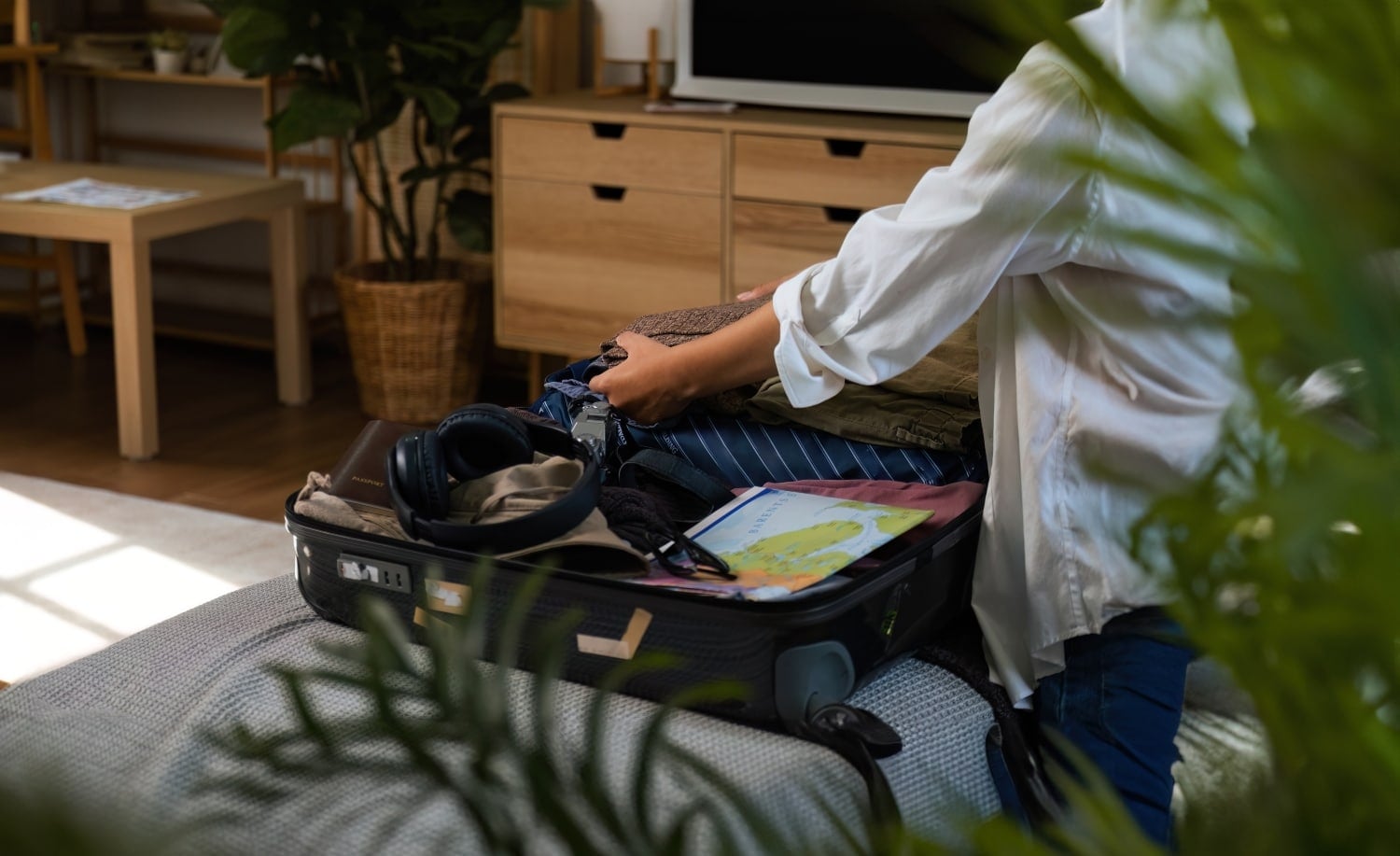
Below are some essentials we recommend you pack into your luggage as you prepare for your stay in South Africa:
Comfortable clothing
What you wear is key to how comfortable you feel and the activities you can take part in while staying at any treatment facility in South Africa.
There are several factors to consider, including the South African climate. This can differ depending on the season.
For instance, South African summers typically occur between November and March, while winter is generally from June to August. But, generally, we recommend lightweight clothing for the daytime and warmer layers for the evening.
Most clients prefer comfortable, breathable clothing for therapy sessions and exercises, such as yoga and meditation.
Any clothing items that allow you to move comfortably and without restrictions will suffice.
Note: Residential programmes in South Africa typically require a broader packing list that necessitates a balance of compliance and comfort. Therefore, items like closed-toe shoes for your safety and only alcohol-free toiletries might be part of your list.
Medical and personal essentials
When deciding what to pack and what to leave behind, this might be the most crucial point of all.
Remembering to bring any prescribed medication you usually take, such as painkillers, diabetic medication, and any other medicines, is vital, as stopping them suddenly can cause issues or health complications that may be preventable.
We recommend storing your medication in its original packaging, with a doctor’s note just in case it needs to be reviewed at any point during your stay in South Africa.
It’s highly advised that you also remember to bring any reading glasses and contact lenses (if you usually require these items) as well as sunscreen and insect repellent, as South Africa can get very hot, depending on the time of year.
Note: You may find it helpful to prepare a personal binder with any insurance documents, ID, medication list, prescriber contacts, known allergies, and a list of emergency contacts, just in case.
Comfort items

Comfort items may sound like a ‘nice to have’, but they can actually provide significant emotional comfort and reassurance, particularly when travelling abroad for treatment.
Being far away from home can be anxiety-inducing enough, and then when you add treatment schedules and other factors into the mix, having familiar items can bring much comfort and security, perhaps even safety to individuals in recovery.
Items like your favourite book, a cosy journal, or even a small photo or other keepsake from home can provide a supportive anchor when you need it most.
For many, comfort items serve as a reminder of why they decided to embark on treatment in the first place, providing a sense of familiarity and reassurance, particularly during the more challenging moments.
Appropriate footwear
Again, this may not seem particularly important compared to the treatment process itself.
However, packing appropriate footwear for your stay in South Africa is a vital component of your comfort and what you may or may not be able to participate in in terms of treatment and exercise.
Outside of therapy sessions, medical detox, and other treatments, activities such as hiking, yoga, and other exercises may be included as part of your recovery plan. You will need to ensure you are adequately prepared to participate.
Packing a sturdy pair of walking shoes for light exercise and excursions, as well as casual footwear for everyday use, is essential. This allows you to immerse yourself in these activities on a deeper level without worrying about painful feet.
Need our help?
Contact us today for free and confidential advice.
What to leave behind for your stay in South Africa
Now that we’ve covered what to pack for your stay in South Africa, we’ll look at what to leave behind.
This part of the preparation process is crucial, as it helps you weed out any unnecessary items, allowing you to travel lighter and begin your recovery journey with greater clarity and purpose.
So, here’s what our team at White River Manor recommends you leave behind as you plan your stay in South Africa.
Excessive electronics and valuables
We understand the temptation to bring expensive items, such as jewellery, electronics, or other luxury gadgets, with you to treatment.
However, in our experience, they can often distract clients from focusing entirely on their recovery, not to mention other risk factors such as losing these items or expensive valuables becoming damaged.
Again, we know it’s tempting, but we recommend leaving excessive electronics and valuables at home so you can focus on feeling better and getting back to your normal self.
By doing so, you can also prevent losing or damaging personal belongings and gadgets that might be too expensive or meaningful to replace.
Note: Although there are no hard and fast rules, clients travelling to South Africa for treatment must expect some limited access to smartphones, particularly early on in their treatment programme.
Overpacked wardrobes
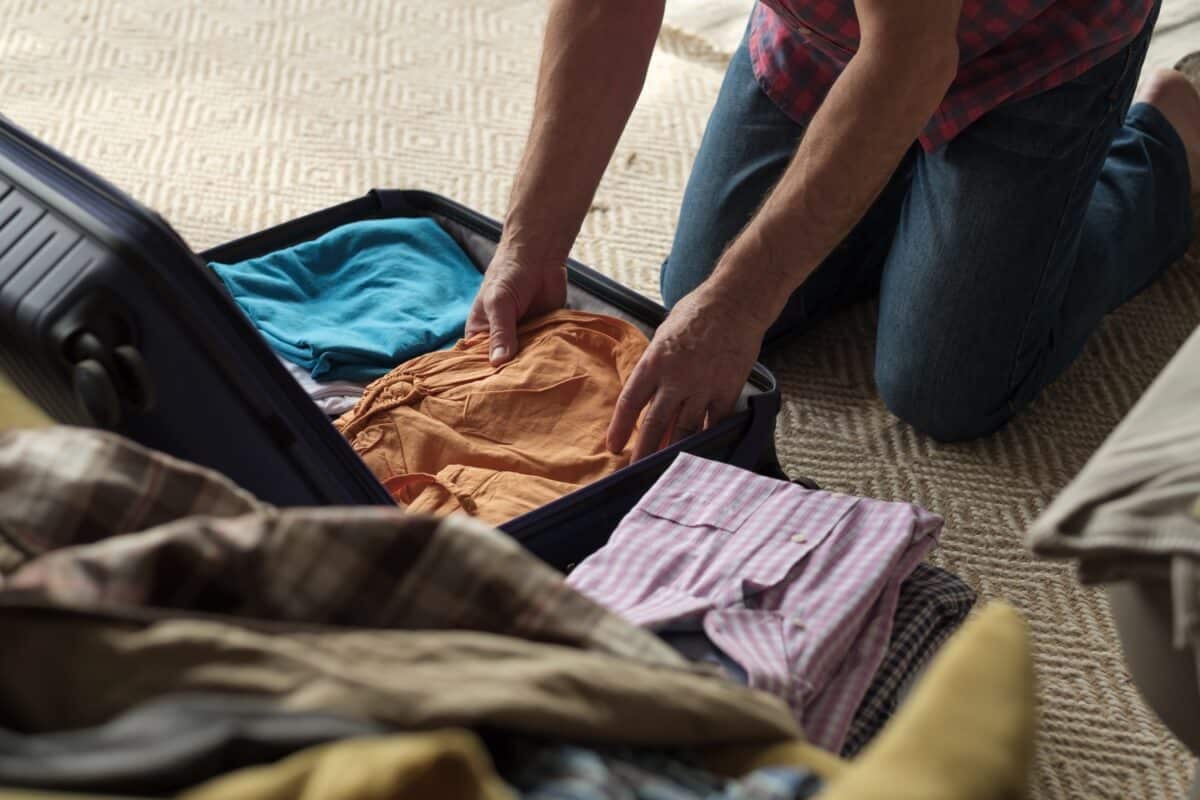
The list of ‘what to leave behind’ may not feel as easy as what to bring, but we include these recommendations for good reason.
Overpacking unnecessary items can cause more stress than it’s worth, which is precisely what we are trying to help you avoid, particularly for those travelling to South Africa for addiction treatment, burnout, or other mental health challenges.
One point worth remembering is that while laundry services are available at most rehab centres in South Africa, space is often limited.
Therefore, we recommend sticking to versatile clothing that you can mix and match.
Most of us have at least one or two outfits we wear all the time – whether it’s comfy jeans and a cosy t-shirt or other wardrobe items, we recommend keeping things practical and straightforward.
‘Practical’ is the keyword, as throughout treatment, you will likely spend most of your day in therapy sessions and participating in daily activities such as walks and other exercises.
So, avoid overpacking your wardrobe as much as possible.
Note: Avoid bringing clothing items with triggering logos that reference drug or alcohol use or other explicit content or messages. We recommend sticking to neutral clothing items like plain t-shirts and similar items of clothing.
Work-related materials
This one might be particularly challenging for many people, especially those who struggle to switch off. Still, it’s highly advised that you leave any work materials behind as you embark on your recovery journey.
A stay at our South African treatment centre is not just an opportunity to learn more about yourself, and ultimately, to recover.
It’s also a chance for you to relax and reflect on some of the things you may do differently once you return home.
Leaving work obligations at home can be profoundly challenging, especially if what brought you to our treatment centre in the first place are issues related to burnout, workaholism or the need to be ‘switched on’ all the time.
It can be counterintuitive to leave your laptop behind, your schedule in the drawer at home and your work phone oceans away from where you are.
However, leaving work-related materials behind is essential to your recovery outcome, allowing you to immerse yourself in treatment without the distraction of work obligations and expectations.
You owe yourself the gift of peace, and leaving these items behind can give you just that, even if it feels like every cell in your body is telling you the opposite.
Vaping and other smoking products
Some rehab centres in South Africa may restrict the use of vaping or other smoking products like cigarettes to designated smoking areas.
It’s important to clarify any doubts about the rules and regulations of your chosen rehab facility regarding vaping and cigarette use. This can ensure a smooth transition into your treatment and prevent any confusion or miscommunication.
Final packing tips to consider
In addition to the above, consider the following packing tips as you prepare for your stay in South Africa.
Check out the season
We covered this briefly already, but the items you may need are contingent on the weather and time of year.
South Africa’s summer months (November to March) can be incredibly hot. On the other hand, the cooler months (June to August) can be mild during the day but chilly in the evenings.
How you pack your wardrobe may depend on what time of year you travel for treatment and how you usually cope with different climates.
For instance, some people are better at dealing with warmer climates than others, and it’s the same with colder weather. So, it’s something worth thinking about as you begin packing.
Cultivate a positive mindset (when possible)

We understand this might be challenging, particularly if you struggle with depression, anxiety, trauma, or other mental health challenges, but fostering a positive mindset can help you remain open to trying out different treatments and approaches.
Remember, your most important ‘item’ is your adaptability and willingness to embrace the healing journey, which can be different from person to person.
A few final things to consider before setting off
When preparing for your stay in South Africa, you may also consider bringing the following with you, in case these items are needed throughout treatment:
- A small amount of cash, which may be stored in the facility’s safe, if available.
- An alarm clock, labelled chargers, and wired headphones (if allowed).
- Alcohol-free toiletries such as shampoos, body wash, deodorant, menstrual products and other personal items you may need throughout your stay.
Let us guide you
At White River Manor, we provide a safe, supportive, and distraction-free environment for you to begin your recovery journey, providing evidence-based programmes and experiential approaches to help you achieve lasting healing.
By packing mindfully and leaving unnecessary items behind, you’ll set the intention for a more relaxed, meaningful and enriching treatment experience that lasts.
No matter what brings you to treatment, our clinical team can help you prepare for your stay in South Africa so that you can focus on the two most important things: your recovery and long-term well-being.
Remember, you are not alone in this process.
Please speak to a member of our team in South Africa today and begin your journey to lasting transformation and wellness in the right way.

About Marné du Bruyn
Marné du Bruyn is the Human Resources and Clinical Assistant at White River Manor. With a degree in Psychology and experience as a registered counsellor, she ensures effective communication between the therapeutic team and clients. Since joining in April 2022, Marné has improved processes, and is known for her problem-solving and conflict resolution skills.